Tag: systems transformation
Systems transformation is the process of changing how a system actually operates—its structure, incentives, decision patterns, and feedback loops—rather than improving surface-level performance. In organizations, this means shifting the conditions that drive behavior, not just the behavior itself.
Most change efforts focus on initiatives, frameworks, or communication. These can create temporary movement, but they rarely alter the system’s underlying dynamics. As a result, old patterns return, and transformation appears to “fail.” Systems transformation addresses this by working at the level where outcomes are generated.
On Paradigm Red, systems transformation is explored through systems thinking, leverage points, Spiral Dynamics, and systemic coaching. The goal is not to force change, but to design conditions where new patterns can emerge and stabilize over time.
What defines systems transformation
- Changing system structure rather than isolated actions
- Aligning incentives, decisions, and behavior
- Working with feedback loops and system dynamics
- Focusing on leverage points with disproportionate impact
Why transformation efforts fail
- Focusing on symptoms instead of underlying structure
- Misalignment between goals and system behavior
- Overreliance on effort instead of insight
- Attempting to control outcomes in complex systems
Where to start
-

Systems Change Management: A Guide for Complex Organizations
Learn how systems change management works in complex organizations and use feedback, leverage, sequencing, and adaptive governance to improve change.
-
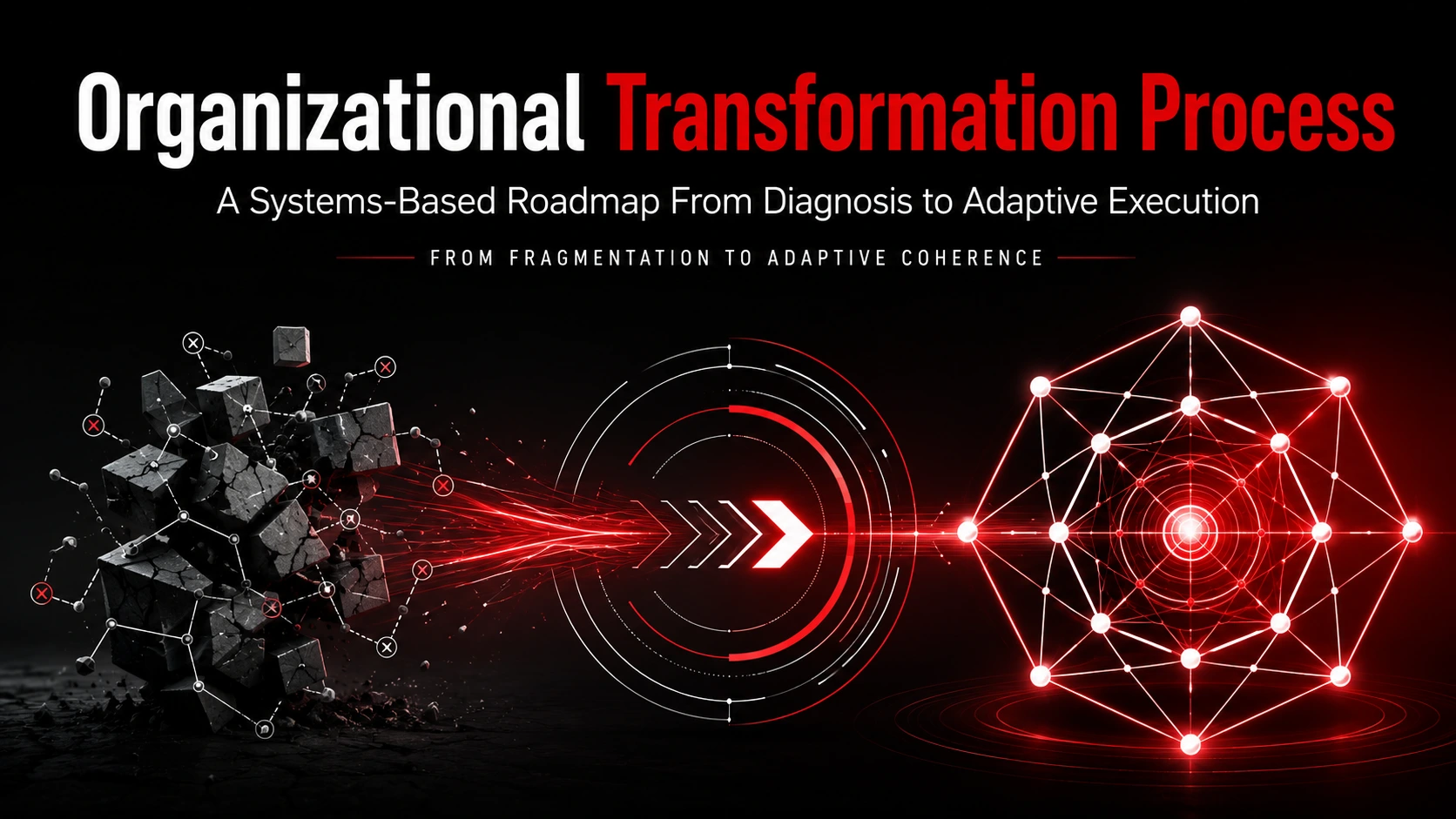
Organizational Transformation Process: A Systems-Based Roadmap From Diagnosis to Adaptive Execution
Organizational transformation is not a larger change project. It is an adaptive process that connects diagnosis, strategy, governance, intervention, feedback, learning, and institutionalization so the organization…
-
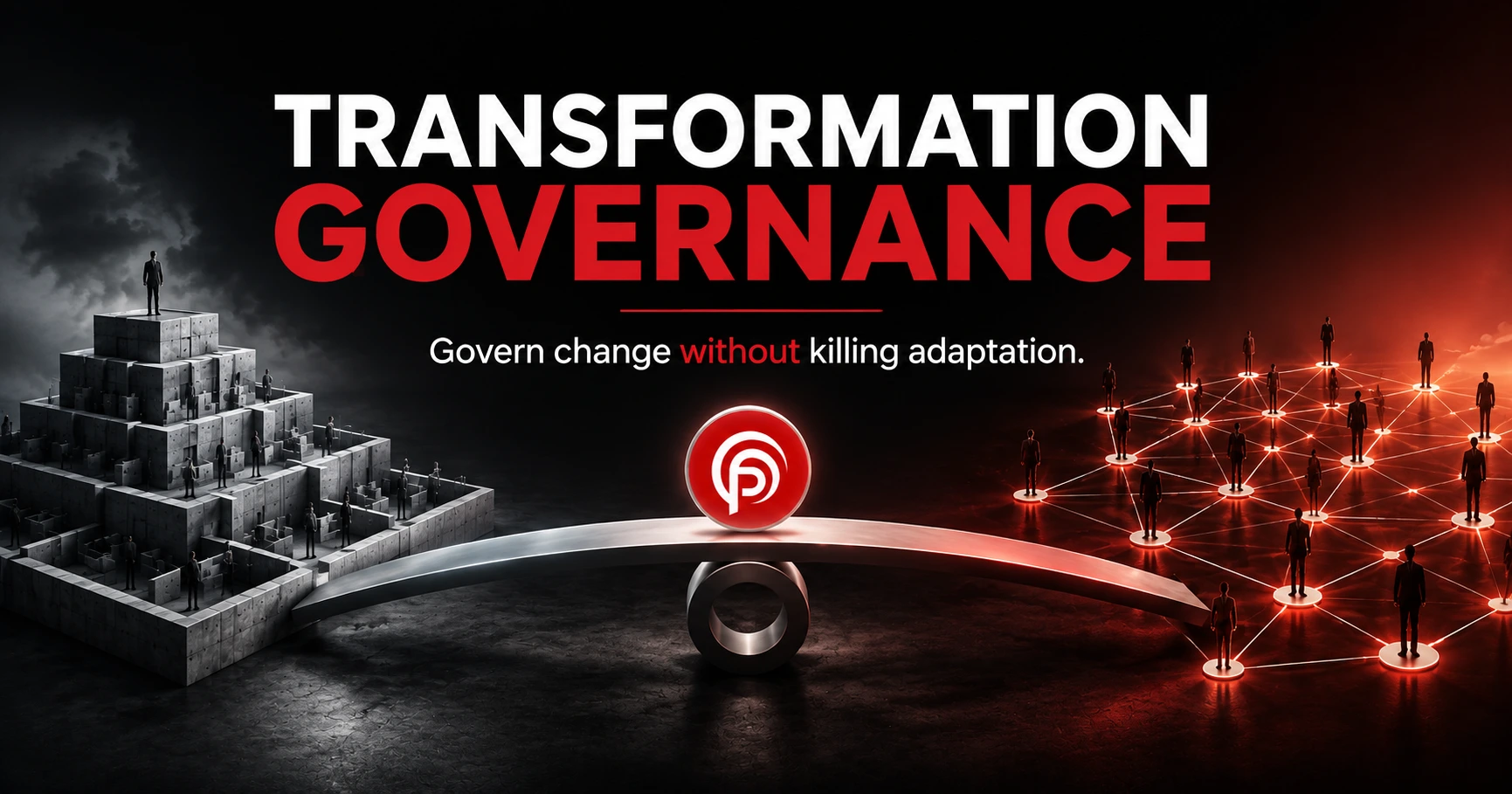
What Is Transformation Governance? How to Govern Change Without Killing Adaptation
Transformation governance should not add another layer of meetings and reporting. It should create a decision system that aligns complex change, distributes authority intelligently and turns…
-
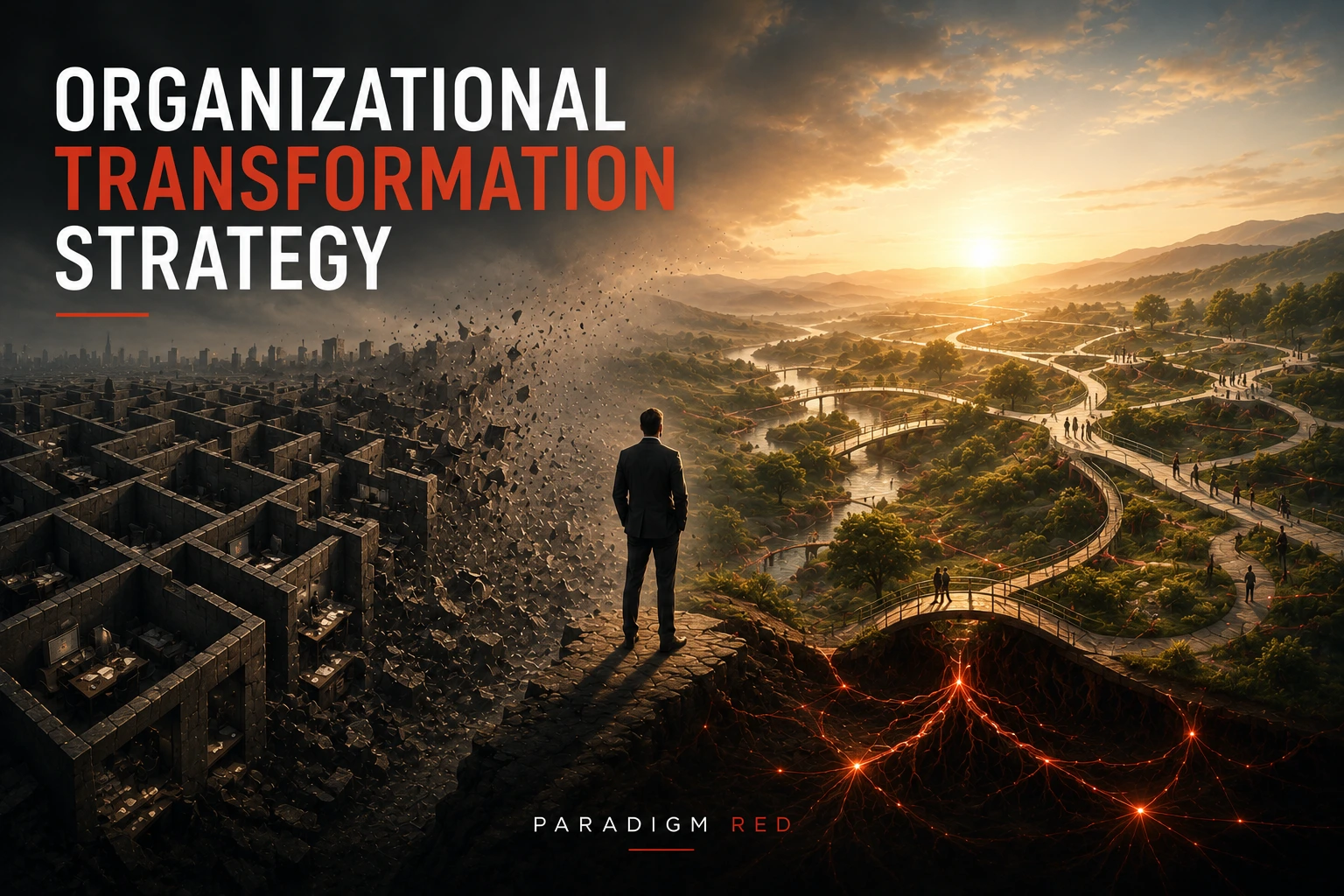
Organizational Transformation Strategy: A Complete Systems Guide for Sustainable Change
Most transformation strategies change projects, structures, technologies, or processes without changing the system that recreates existing behaviour. This flagship System Shaping™ guide explains how to diagnose…
-

What Is Systemic Coaching? A Practical Guide for Complex Organizations
Systemic coaching is an approach to coaching that helps leaders, teams, and organizations understand the relationships, patterns, feedback loops, and hidden dynamics shaping behavior inside complex…
-

Why Resistance to Change Is Often Rational — The Hidden Logic Behind Organizational Resistance
Rational resistance is one of the most misunderstood dynamics in organizational change. Leaders often describe resistance to change as fear, negativity, stubbornness, politics, or lack of…
-

Why Culture Change Fails — and Why Most Organizations Target the Wrong Thing
Updated with stronger search intent, definition section, comparison table, external authority link, CTA, internal path, and schema. External authority source used: HBS Working Knowledge on culture…
-
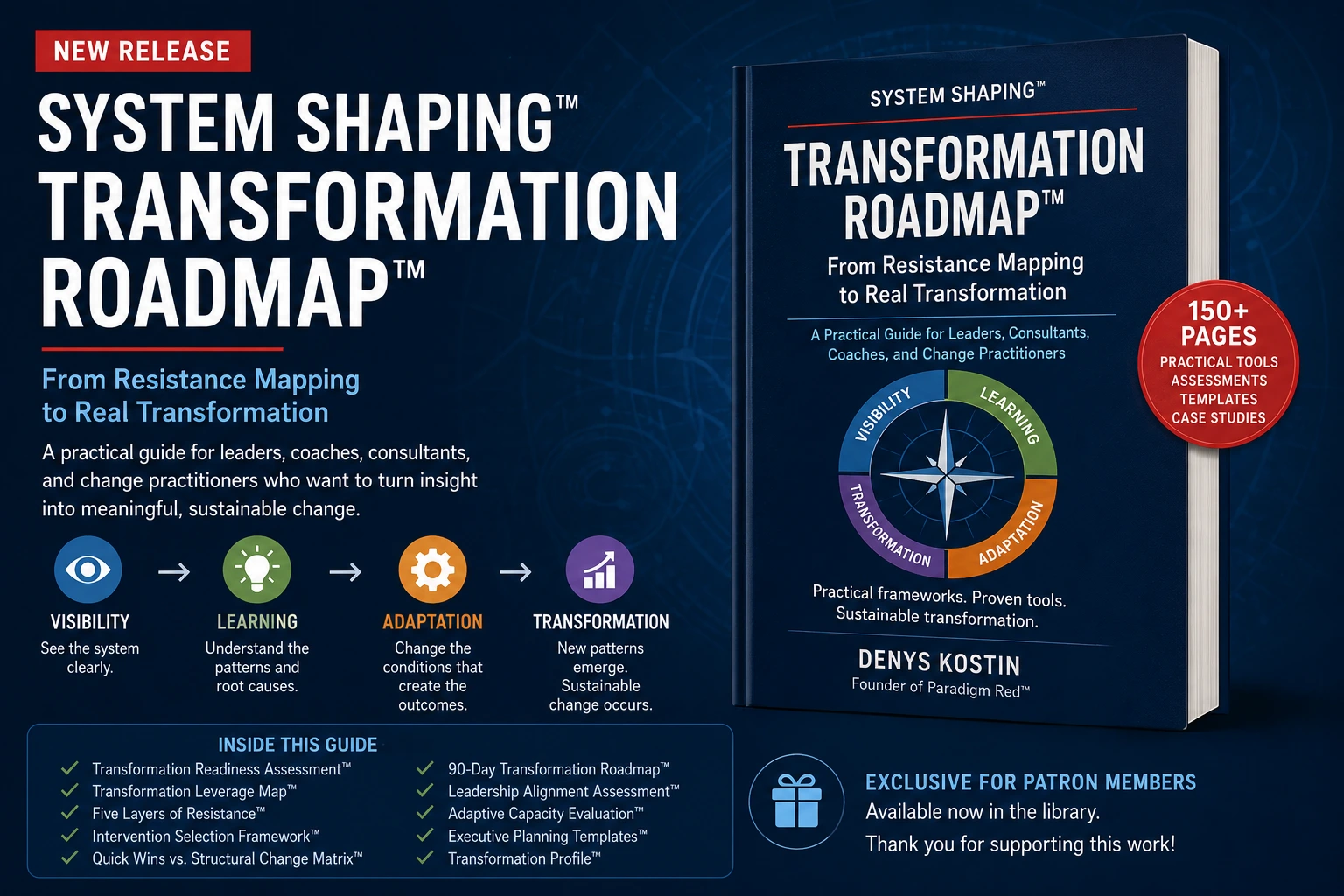
Why Change Initiatives Fail: The Hidden System Dynamics Most Leaders Miss
Why change initiatives fail is one of the most important questions in leadership, organizational development, systems thinking, change management, and systems transformation. Most organizations do not…
-
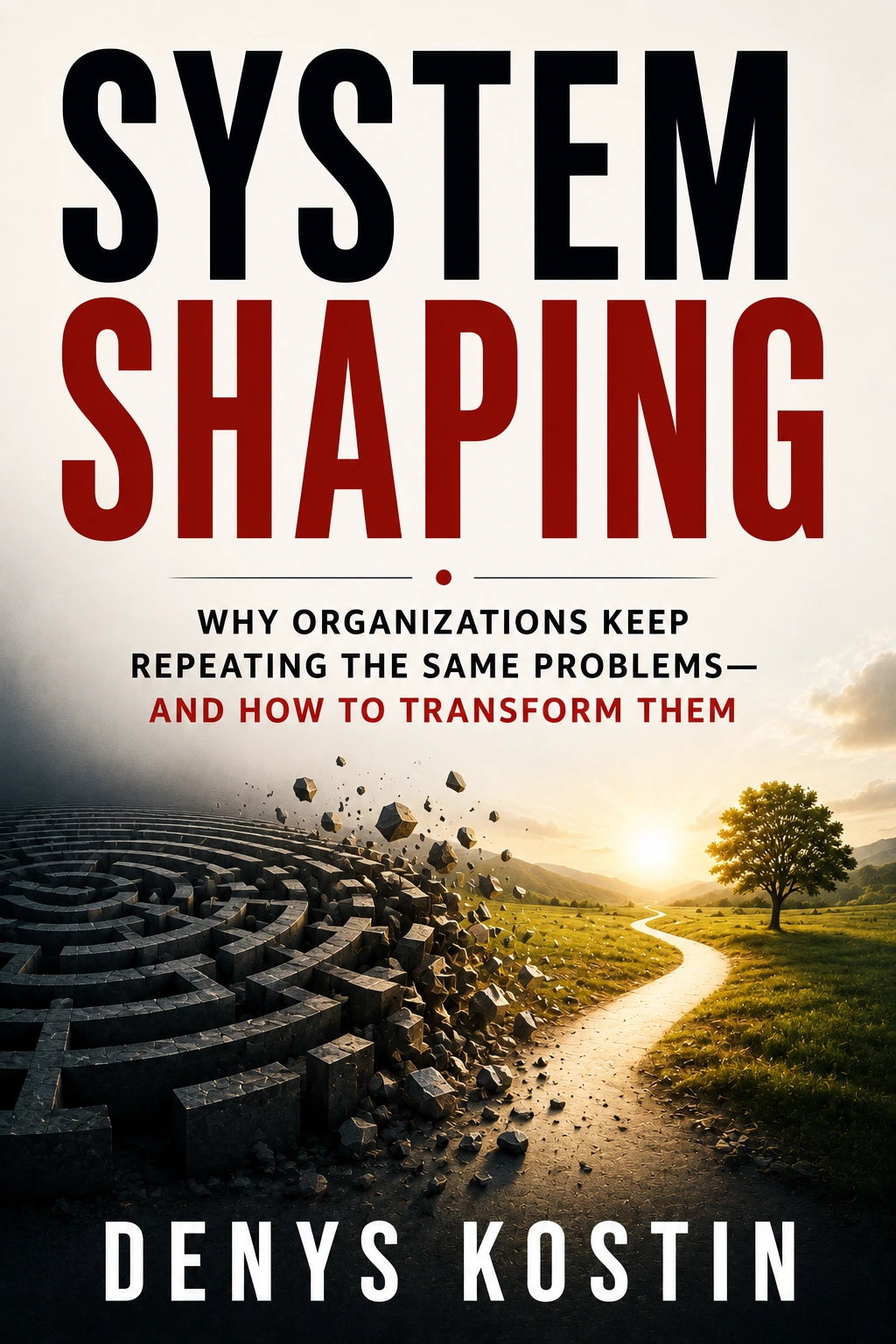
System Shaping: Why Organizations Keep Repeating the Same Problems
System Shaping is a new framework for organizational transformation, systems thinking, and systemic change that helps explain why organizations continue reproducing the same problems despite repeated…
-

Organizational Change Assessment: What Blocks Transformation?
Free systems thinking diagnostic Organizational Change Assessment: What Is Really Blocking Transformation? Last updated: May 2026 Most organizational change fails because leaders treat symptoms while the…