Tag: organizational dysfunction
Organizational dysfunction refers to patterns within a system that prevent it from functioning effectively. These patterns are rarely caused by individual failures alone—they emerge from misaligned structures, incentives, communication flows, and leadership signals.
Organizations often try to fix dysfunction by addressing symptoms: poor performance, low engagement, or repeated mistakes. However, these issues are usually the visible outcomes of deeper systemic conditions. Without changing how the system operates, dysfunction persists or reappears in new forms.
On Paradigm Red, organizational dysfunction is explored through systems thinking and systemic transformation. The focus is on identifying underlying patterns, understanding how they are reinforced, and finding leverage points where meaningful change can occur.
Common forms of organizational dysfunction
- Repeated problems that never fully resolve
- Misalignment between goals and actual behavior
- Communication that hides rather than clarifies issues
- Decisions that contradict stated priorities
Why dysfunction persists
- Incentives that reinforce undesired behavior
- Feedback loops that stabilize existing patterns
- Leadership signals that conflict with strategy
- Attempts to fix symptoms instead of system structure
Related articles
-
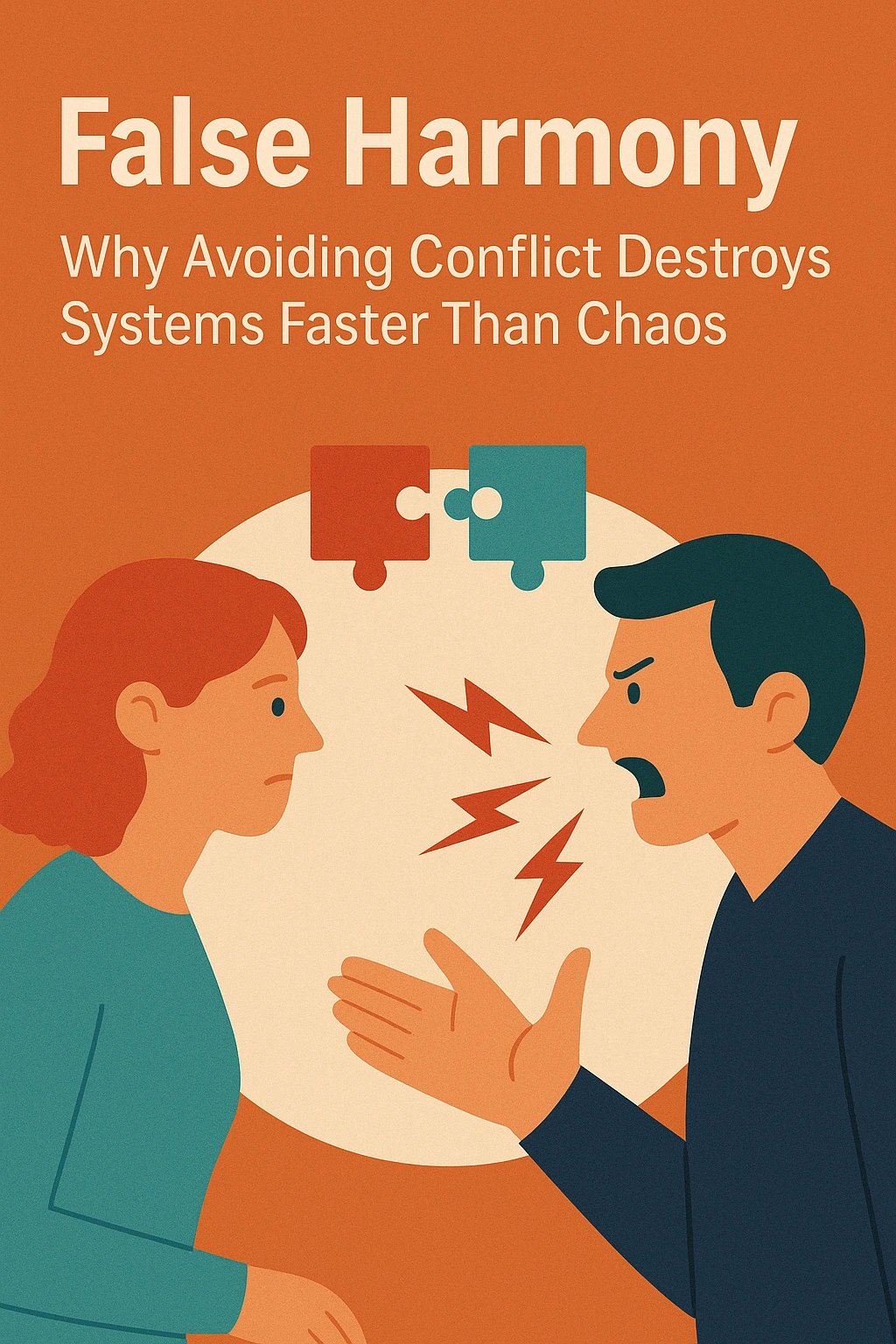
False Harmony: Why Avoiding Conflict Destroys Systems Faster Than Chaos
The Comfort of Calm — and the Price We Pay At first glance, everything looks good. Meetings are civil. Teams agree. Leaders talk about culture and…
-
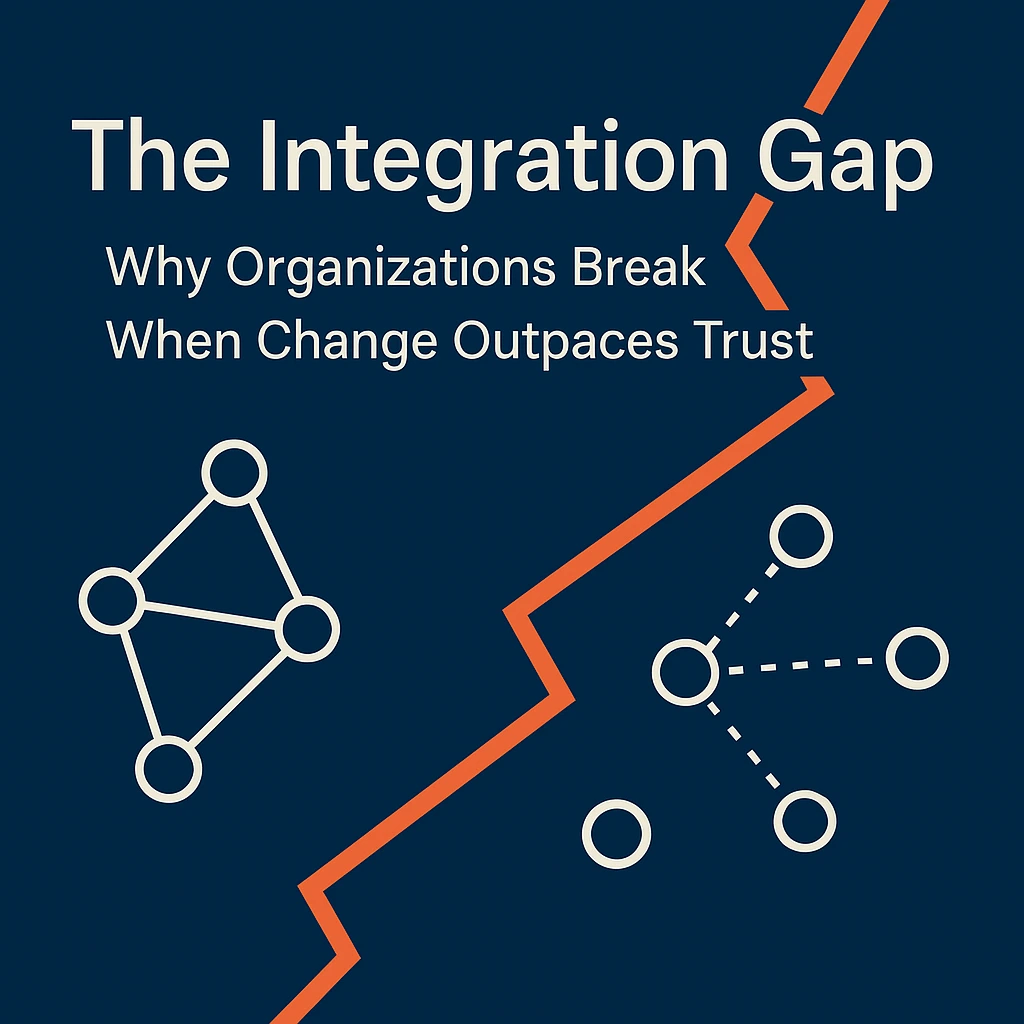
The Integration Gap: Why Organizations Break When Change Outpaces Trust
Change Creates Disintegration — Whether You Want It or Not In the rush to innovate, grow, or transform, most leaders miss a brutal truth: every change…
-
Toxic Positivity and Systemic Transformation: When Optimism Becomes Control
Toxic positivity is not optimism. It is the suppression of reality in the name of comfort. In a world saturated with motivational messaging, manifestation trends, and…