Tag: organizational dysfunction
Organizational dysfunction refers to patterns within a system that prevent it from functioning effectively. These patterns are rarely caused by individual failures alone—they emerge from misaligned structures, incentives, communication flows, and leadership signals.
Organizations often try to fix dysfunction by addressing symptoms: poor performance, low engagement, or repeated mistakes. However, these issues are usually the visible outcomes of deeper systemic conditions. Without changing how the system operates, dysfunction persists or reappears in new forms.
On Paradigm Red, organizational dysfunction is explored through systems thinking and systemic transformation. The focus is on identifying underlying patterns, understanding how they are reinforced, and finding leverage points where meaningful change can occur.
Common forms of organizational dysfunction
- Repeated problems that never fully resolve
- Misalignment between goals and actual behavior
- Communication that hides rather than clarifies issues
- Decisions that contradict stated priorities
Why dysfunction persists
- Incentives that reinforce undesired behavior
- Feedback loops that stabilize existing patterns
- Leadership signals that conflict with strategy
- Attempts to fix symptoms instead of system structure
Related articles
-
The Myth of Motivation: Why Systems Thrive on Safety, Not Pressure
There is a quiet truth leaders discover the longer they stay in the work: people do not bloom when pushed. They bloom when they can breathe.…
-
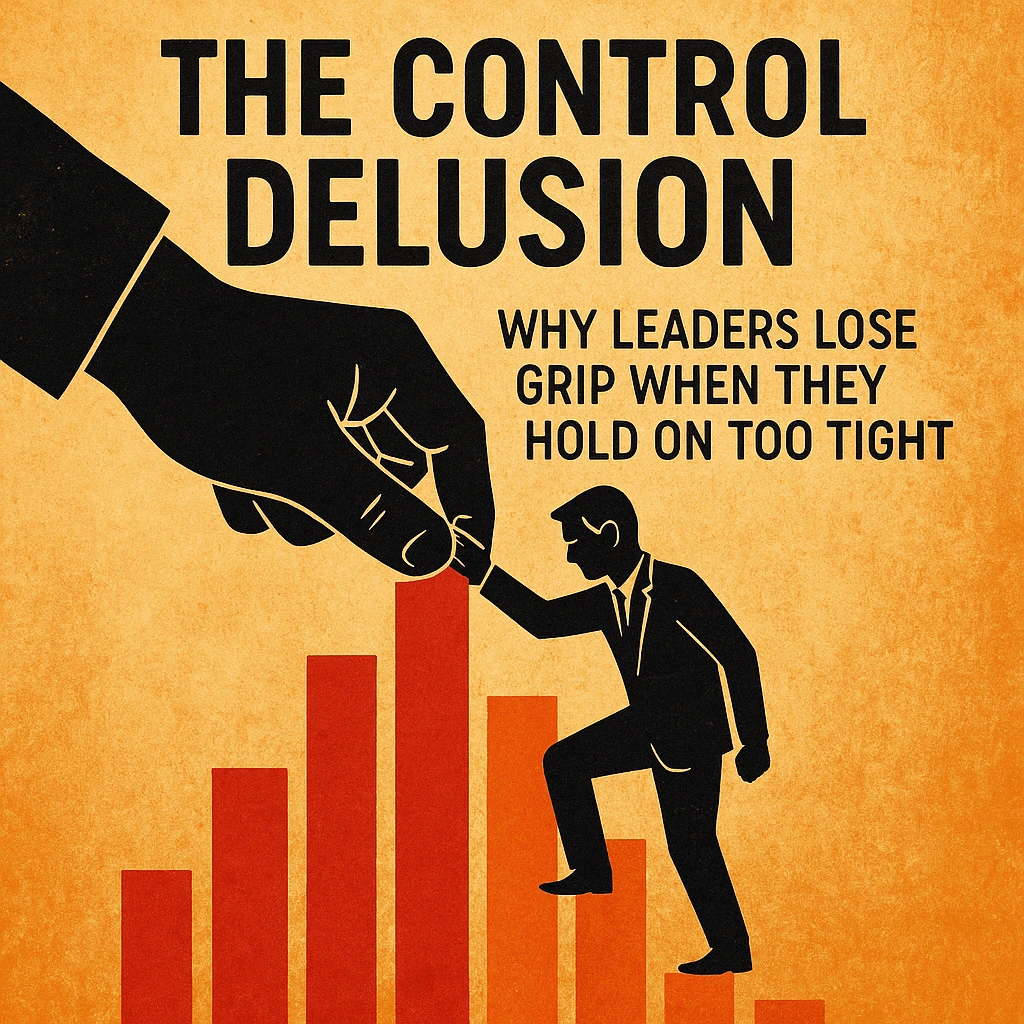
The Control Delusion: Why Leaders Lose Grip When They Hold On Too Tight
The control delusion in organizations appears when leaders believe that tighter oversight, more approvals, and stricter rules will create stability. In reality, the harder leaders try…
-

The Trust Illusion: Why Forced Transparency Breaks What It Tries to Build
The trust illusion is one of the most common mistakes in modern leadership: the belief that more visibility automatically creates more trust. Dashboards, open data, constant…
-
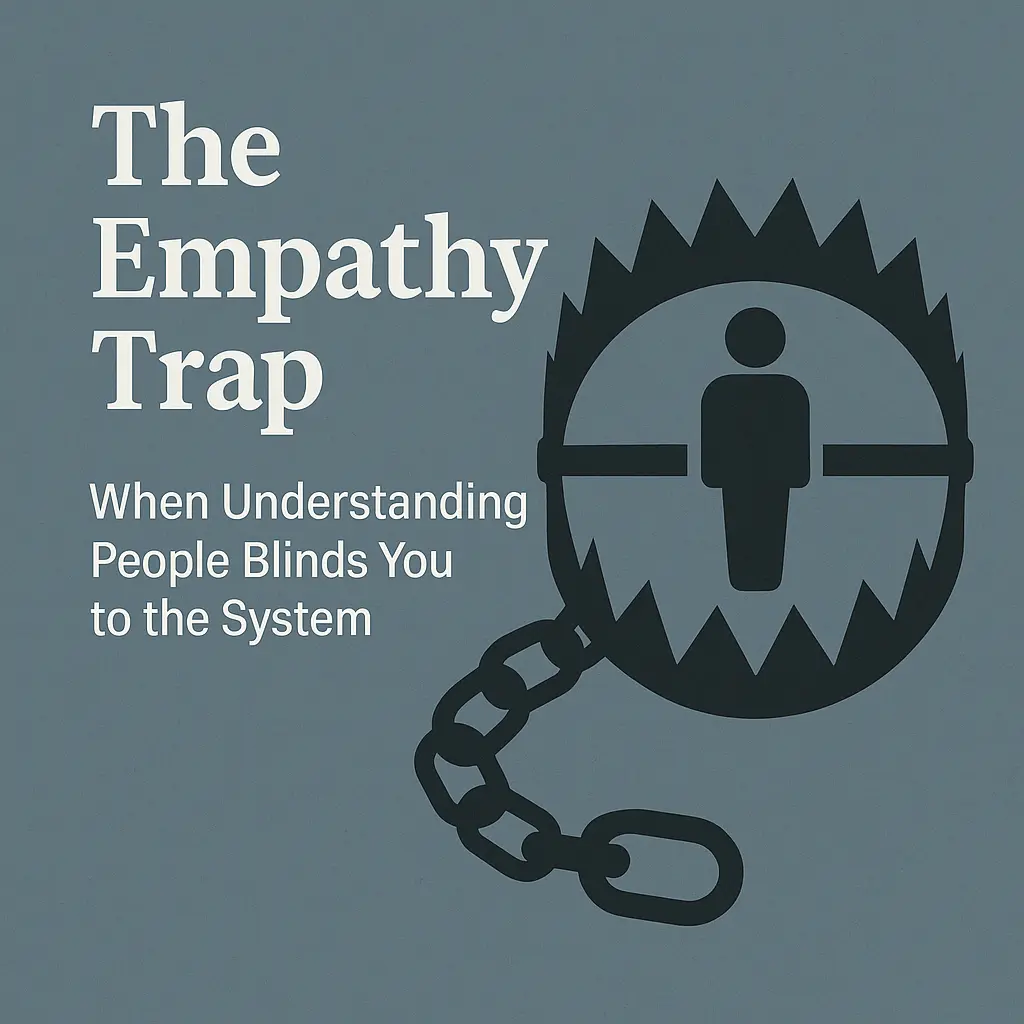
The Empathy Trap: When Understanding People Blinds You to the System
The empathy trap in organizations appears when leaders respond to repeated pain as individual stories instead of systemic patterns. Empathy is essential, but when it stays…
-

The Action Illusion: Why Doing More Often Achieves Less
The action illusion is one of the most common traps in modern organizations. Walk into almost any leadership meeting, and you’ll hear the same refrain: “We…
-

The Speed Trap: Why Rushing Change Slows the System Down
In almost every boardroom, the same sentence appears sooner or later: we need to move faster. Faster innovation. Faster transformation. Faster results. It sounds rational. It…
-

The Collaboration Myth: Why More Meetings Don’t Mean Better Systems
Everywhere you turn, leaders call for “more collaboration.” It sounds right. If people talk more, coordinate more, spend more time together — surely the system improves.…
-

The Illusion of Alignment: Why Shared Language Doesn’t Mean Shared Understanding
Teams swear they’re aligned. Slides match. Slogans echo. Heads nod in meetings. And then nothing moves. Projects stall. Decisions wobble. Priorities collide. It looks like resistance…
-
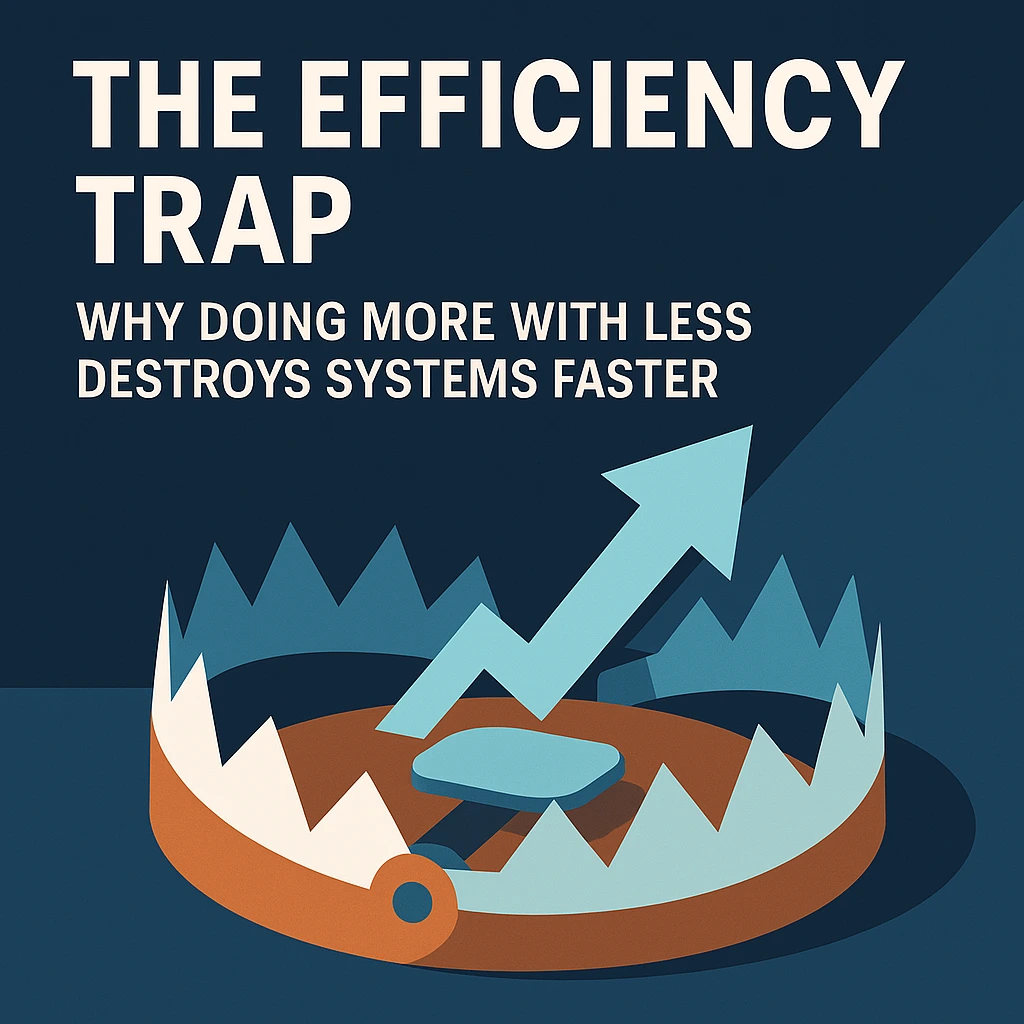
The Efficiency Trap: Why Doing More with Less Destroys Systems Faster
Efficiency is one of the most celebrated values in modern organizations. Leaders praise it, consultants optimize for it, and teams are rewarded for delivering more with…
-
System Blind Spots: How to See What the Organization Can’t (Yet)
In systems thinking and systemic coaching, the most dangerous threat is rarely open resistance. It’s not even poor decision-making. It’s what the system cannot see. Blind…