Tag: systemic coaching
Systemic coaching is an approach that focuses on the system as a whole rather than on individual performance alone. It recognizes that behavior, decisions, and outcomes are shaped by structure, relationships, incentives, and patterns within the system.
Traditional coaching often works at the level of the individual—skills, mindset, or behavior. While valuable, this approach can be limited when challenges are rooted in the system itself. Systemic coaching expands the focus to include how the organization operates and how conditions influence results.
On Paradigm Red, systemic coaching is explored as a way to understand and influence complex systems. It emphasizes identifying patterns, revealing hidden dynamics, and working with leverage points to create sustainable change.
What defines systemic coaching
- Focus on system dynamics rather than isolated individuals
- Understanding patterns of behavior and interaction
- Working with feedback loops and systemic signals
- Identifying leverage points for meaningful change
Why systemic coaching matters
- Addresses root causes instead of symptoms
- Improves decision-making across the system
- Enables sustainable transformation
- Supports leadership in complex environments
Related articles
-

When Awareness Becomes a Defense Mechanism
Many leaders eventually discover that awareness alone does not create transformation. Organizations can discuss dysfunction openly.Leaders can become emotionally reflective.Teams can learn the language of psychological…
-

Recursive superinterception visualized as the fragile threshold between systemic collapse and emergent coherence
Recursive superinterception may become one of the most important concepts in next-generation systems transformation and cross-paradigm systems coaching. The deeper a systems coach works, the more…
-

Insight as Intervention: How Awareness Itself Transforms Systems
Insight as intervention in systems begins with a simple but radical idea: the way we see a system is never neutral. In complex organizations, perception is…
-

Clear Mirrors: How Leaders Can Reflect Without Distorting the System
Leadership reflection is supposed to reveal truth. Yet in complex organizations, reflection often does the opposite: it distorts what leaders see. Teams give safer answers, metrics…
-
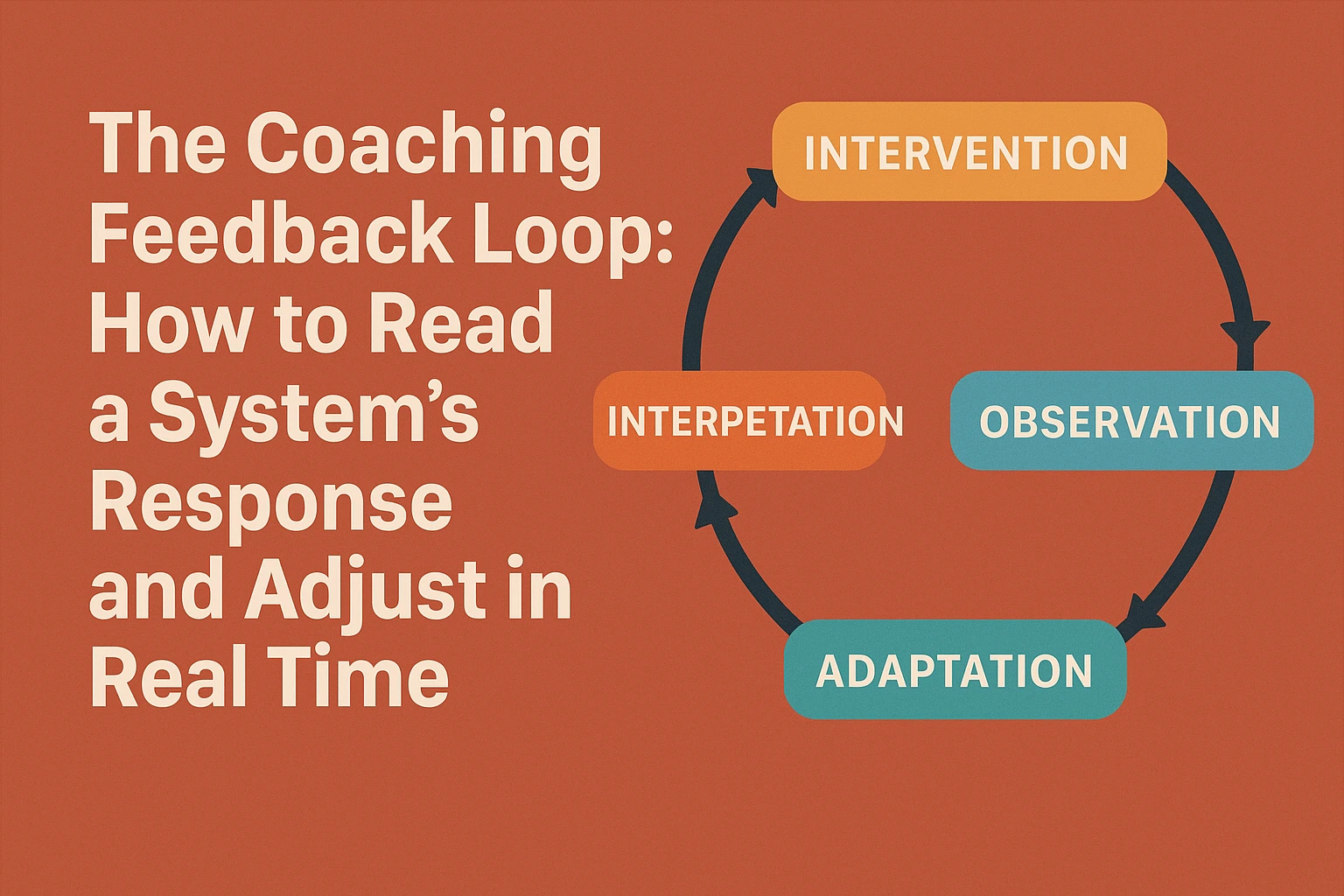
The Coaching Feedback Loop: How to Read a System’s Response and Adjust in Real Time
In system coaching, there’s one skill that separates the merely competent from the transformative: the ability to read a system’s response in the moment and adjust…
-
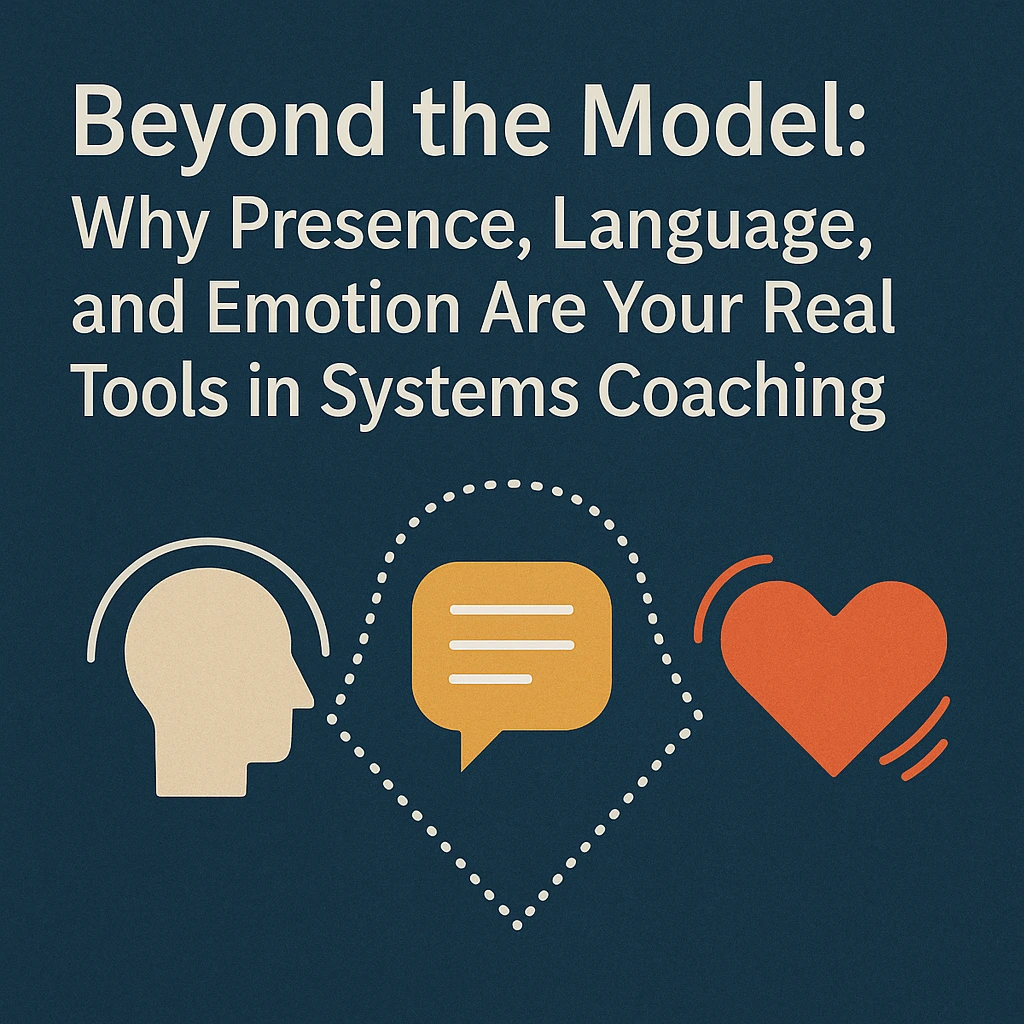
Beyond the Model: Why Presence, Language, and Emotion Are Your Real Tools in Systems Coaching
System coaches often ask: “Which framework should I use here?” But what if that’s the wrong question? In complex environments, models can illuminate patterns — but…
-
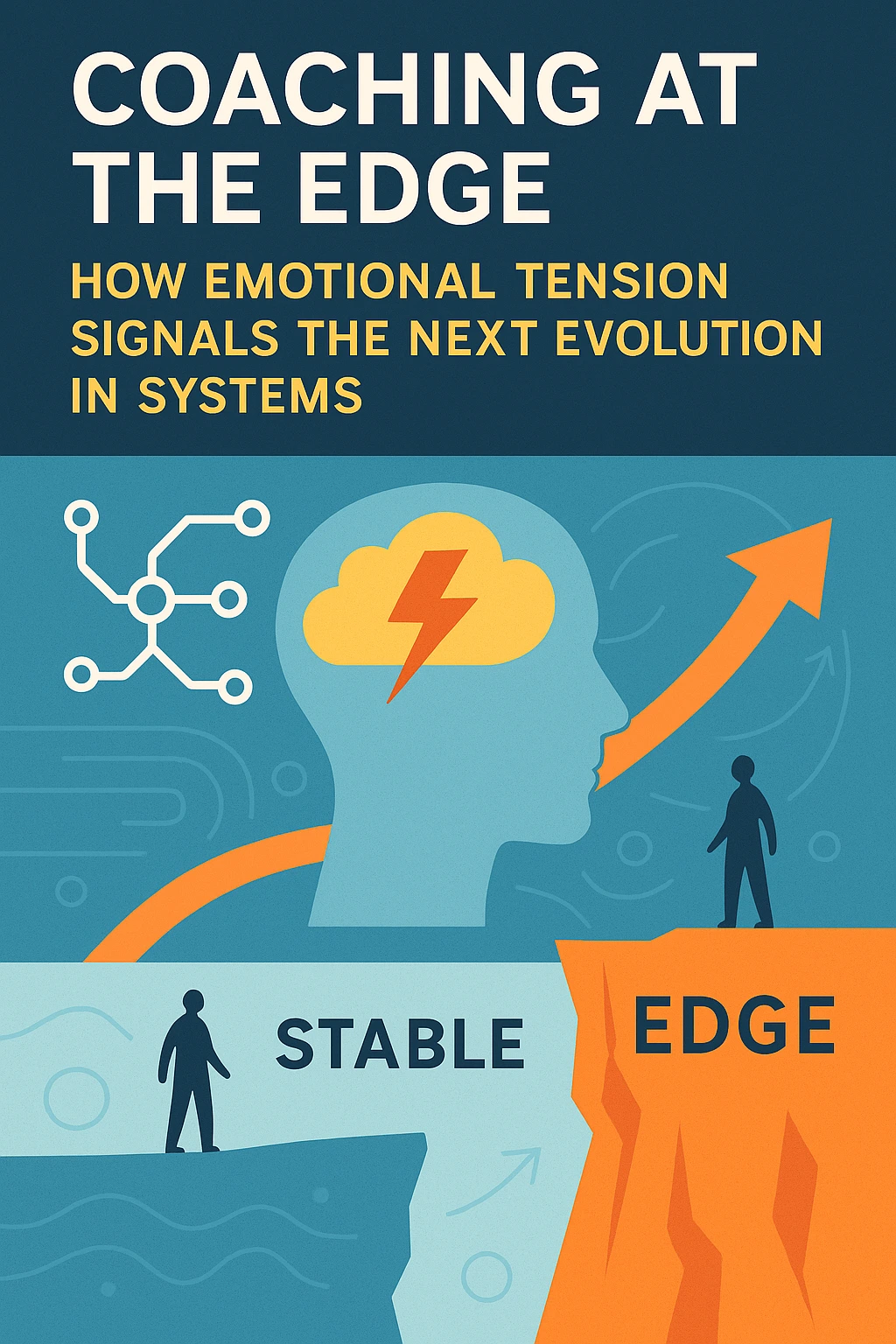
Coaching at the Edge: How Emotional Tension Signals the Next Evolution in Systems
Systems do not evolve in the center. They transform at the edge. The problem is that most organizations misread the edge as dysfunction. When emotional heat…
-

What Makes a System Uncoachable? Root Causes, Warning Signs, and What to Do About It
Coaches are taught that every system can grow. But sometimes, growth refuses to happen. You try every tool. You hold the space. You map the patterns.…
-
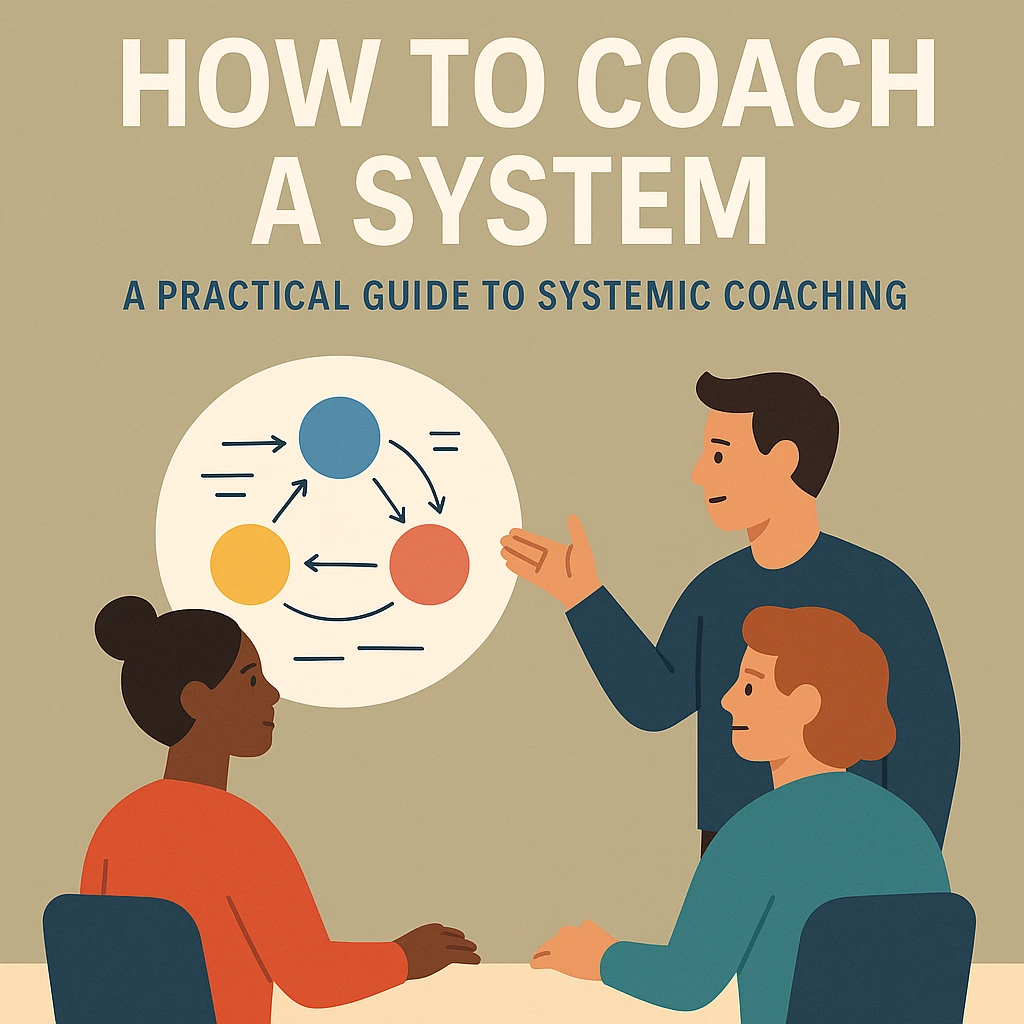
How to Coach a System: A Practical Guide to Systemic Coaching
Why Systems Need Coaches, Not Just Leaders Organizations aren’t machines — they’re living, breathing systems. And yet, most coaching is still stuck in a mechanical mindset:…
-
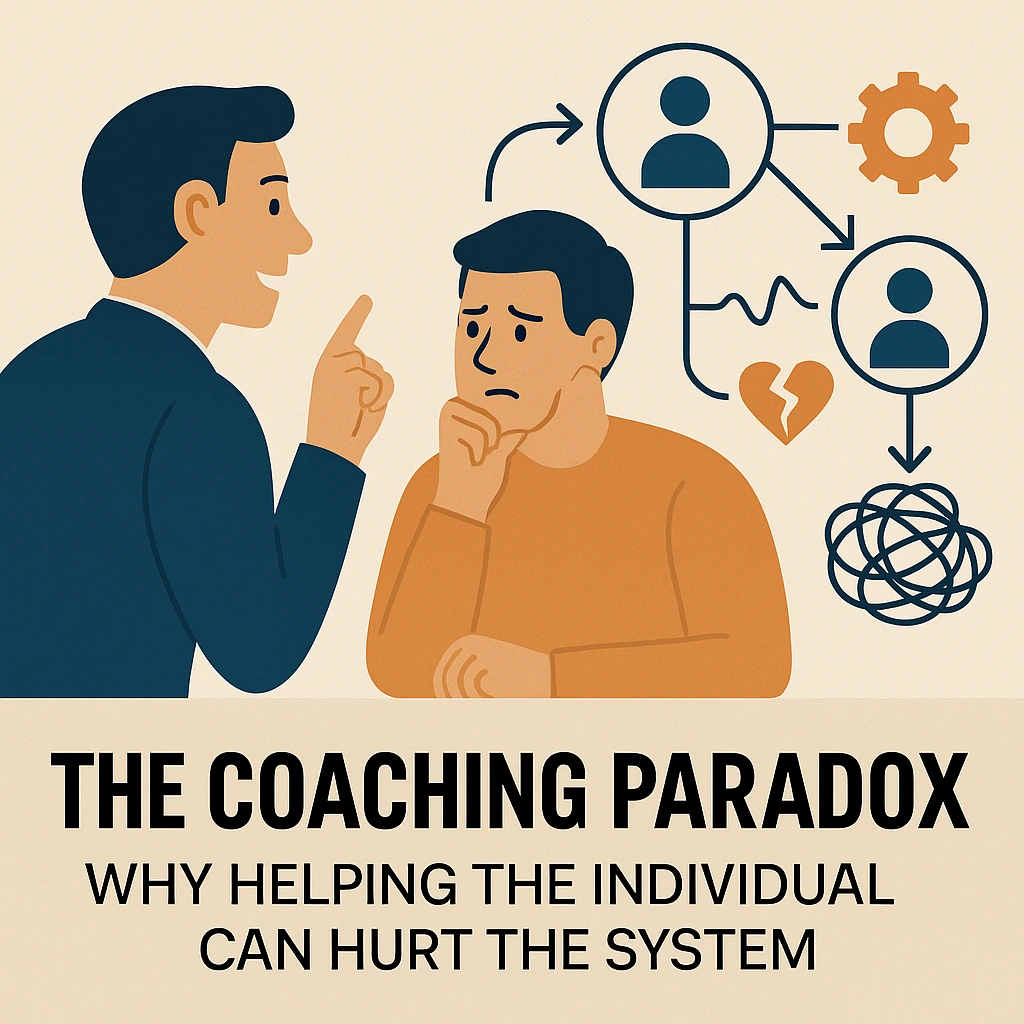
The Coaching Paradox: Why Helping the Individual Can Hurt the System
Coaching Success — and Systemic Failure They said it worked. The leader felt more empowered. Their team reported clearer communication. Goals were achieved faster. The coaching…