Tag: leadership
Leadership in complex organizations is not defined by authority alone—it is expressed through the ability to shape conditions, influence direction, and enable coherent action across a system. In dynamic environments, leadership shifts from controlling outcomes to working with patterns, feedback, and uncertainty.
Traditional leadership models assume predictability and clear cause-and-effect relationships. In reality, organizations behave as complex systems, where outcomes emerge from interactions rather than directives. This makes leadership less about giving answers and more about creating clarity, alignment, and adaptive capacity.
On Paradigm Red, leadership is explored through systems thinking, complexity leadership, and systemic coaching. The focus is on how leaders influence behavior indirectly—through structure, incentives, decision-making, and the signals they consistently send.
What defines effective leadership in complex systems
- Creating clarity without oversimplifying reality
- Aligning structure, incentives, and behavior
- Responding to feedback and evolving conditions
- Enabling adaptation rather than enforcing control
Why leadership often fails
- Overreliance on authority and control
- Ignoring systemic patterns and interdependencies
- Misalignment between stated direction and real signals
- Attempting to force outcomes in complex environments
Related articles
-

Clear Mirrors: How Leaders Can Reflect Without Distorting the System
Leadership reflection is supposed to reveal truth. Yet in complex organizations, reflection often does the opposite: it distorts what leaders see. Teams give safer answers, metrics…
-
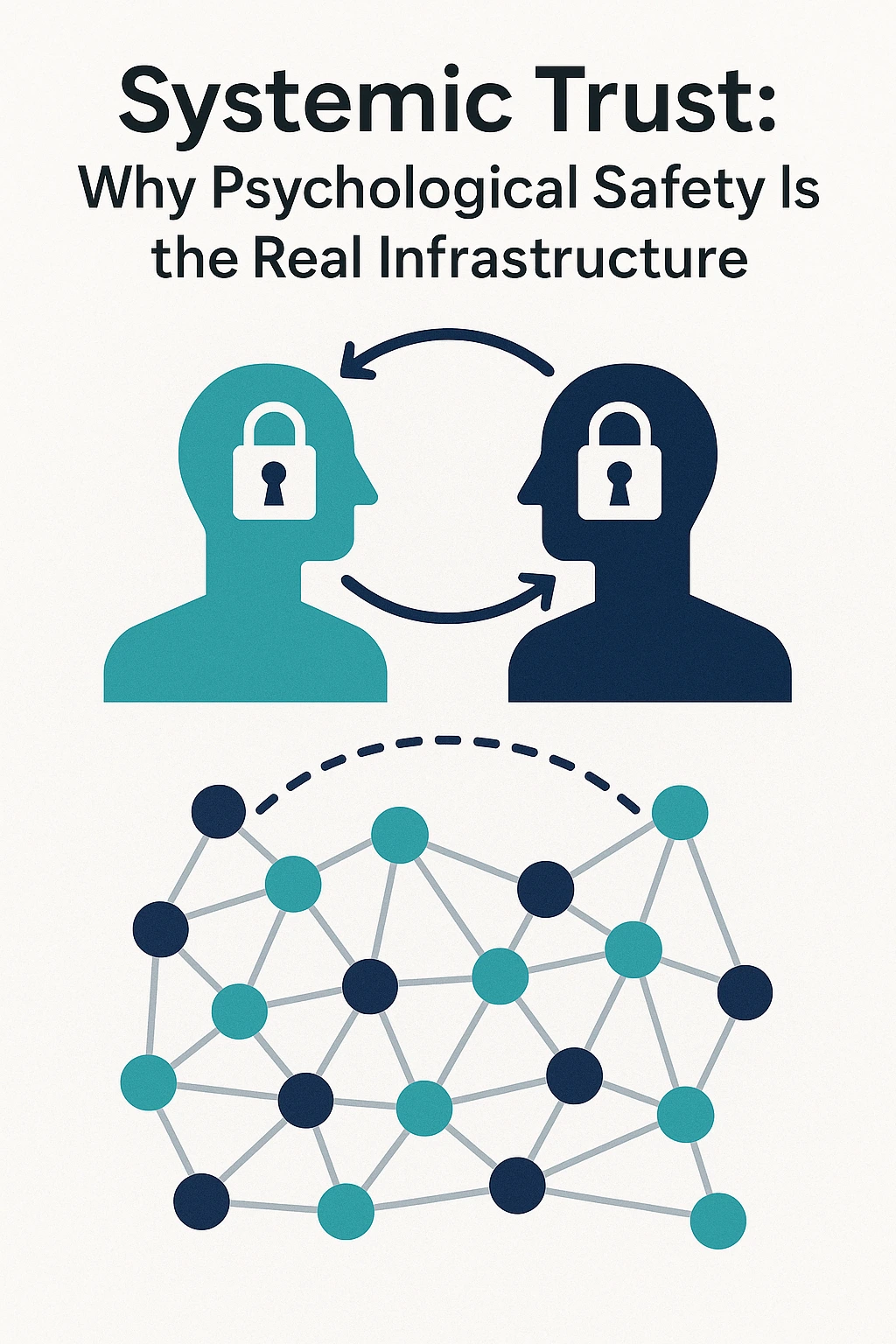
Systemic Trust: Why Psychological Safety Is the Real Infrastructure
Most organizations treat trust as a personal variable: Do I trust my manager? Do I trust my peers? But in systems thinking, trust is not a…
-

The Hidden Backbone: Why Culture Stabilizes Systems More Than Strategy
Walk into almost any boardroom during a crisis and you will hear the same instinctive response: “We need a better strategy.” Leadership becomes effective when it…
-
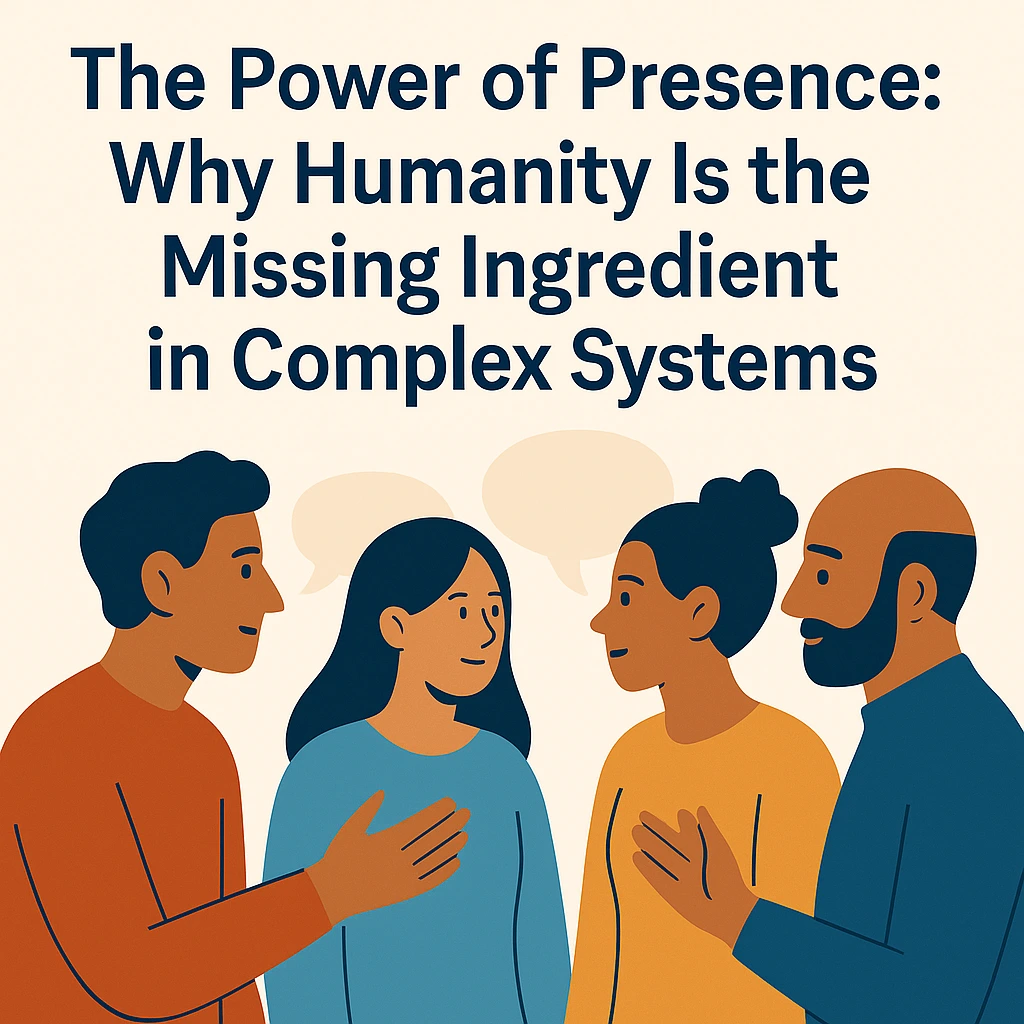
The Power of Presence: Why Humanity Is the Missing Ingredient in Complex Systems
In the world of systems thinking and organizational transformation, we often overlook humanity in complex systems — the one variable no model can fully capture. We…
-

Coaching Isn’t Therapy — But It’s Becoming a Substitute: Where We’re Getting It Wrong
In the modern organizational landscape, the boundaries between coaching and therapy are becoming increasingly blurred. As systemic stressors mount and mental health services lag behind demand,…
-
Toxic Leadership Isn’t a Flaw — It’s a Feature of the Red Paradigm
Toxic leadership is often treated as a personal defect. A hiring mistake. A bad apple. A failure of character. But in many systems, toxic leadership is…