Tag: leadership
Leadership in complex organizations is not defined by authority alone—it is expressed through the ability to shape conditions, influence direction, and enable coherent action across a system. In dynamic environments, leadership shifts from controlling outcomes to working with patterns, feedback, and uncertainty.
Traditional leadership models assume predictability and clear cause-and-effect relationships. In reality, organizations behave as complex systems, where outcomes emerge from interactions rather than directives. This makes leadership less about giving answers and more about creating clarity, alignment, and adaptive capacity.
On Paradigm Red, leadership is explored through systems thinking, complexity leadership, and systemic coaching. The focus is on how leaders influence behavior indirectly—through structure, incentives, decision-making, and the signals they consistently send.
What defines effective leadership in complex systems
- Creating clarity without oversimplifying reality
- Aligning structure, incentives, and behavior
- Responding to feedback and evolving conditions
- Enabling adaptation rather than enforcing control
Why leadership often fails
- Overreliance on authority and control
- Ignoring systemic patterns and interdependencies
- Misalignment between stated direction and real signals
- Attempting to force outcomes in complex environments
Related articles
-

Why Organizations Stop Seeing Reality
Organizations rarely fail because reality changes without warning. They fail when signals are filtered, narratives harden and leaders act on an internal story that no longer…
-

What Is Complexity Leadership? A Guide to Leading in Complex Systems
Complexity leadership is an approach to leadership designed for complex systems, uncertain environments, and adaptive organizations. Instead of relying only on prediction, control, hierarchy, and linear…
-

What Is Systemic Coaching? A Practical Guide for Complex Organizations
Systemic coaching is an approach to coaching that helps leaders, teams, and organizations understand the relationships, patterns, feedback loops, and hidden dynamics shaping behavior inside complex…
-

Why Smart People Make Bad Decisions in Systems They Understand
Some of the worst organizational decisions are made by people who understand the system extremely well. Experienced leaders often recognize the risks.Teams understand the dysfunction.Organizations analyze…
-

Why Your Team Is Not Improving (Even When Everyone Is Trying)
Why is your team not improving, even when people are working hard and trying to do better? This is one of the most frustrating questions for…
-
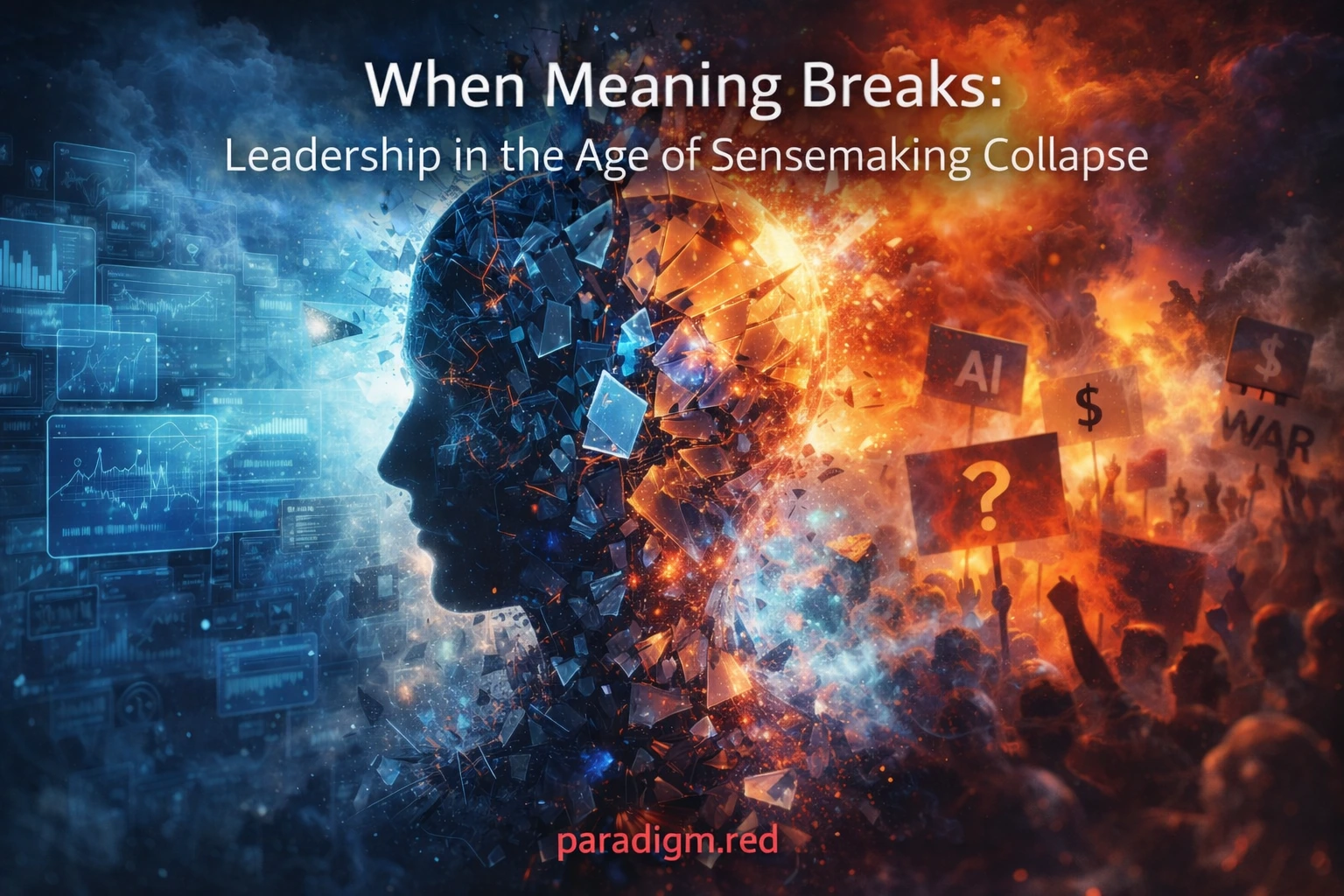
When Meaning Breaks: Leadership in the Age of Sensemaking Collapse
Something unusual is happening across organizations, governments, and societies. Leaders are not only dealing with disruption, uncertainty, and complexity. Those are familiar challenges. Every generation believes…
-
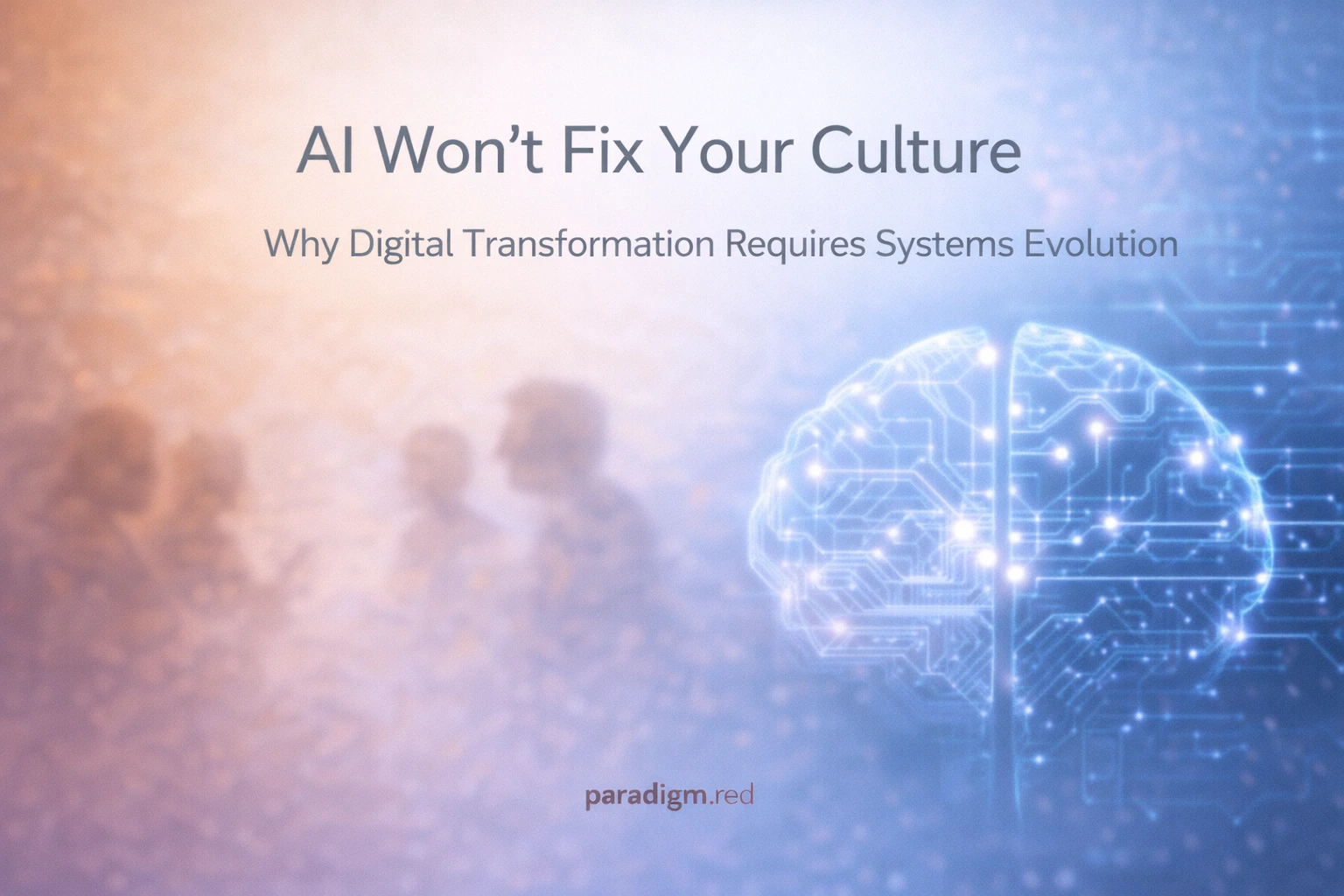
AI Won’t Fix Your Culture: Why Digital Transformation Requires Systems Evolution
AI is not failing organizations. Organizations are failing AI. Across industries, leaders are investing billions into artificial intelligence, automation, and digital platforms. Tools are implemented. Dashboards…
-

Psychological Safety Is Not Comfort: Why Safe Teams Still Have Hard Conversations
Psychological safety has become one of the most celebrated ideas in modern leadership. Teams are encouraged to be safe. Leaders are trained to create safety. Organizations…
-
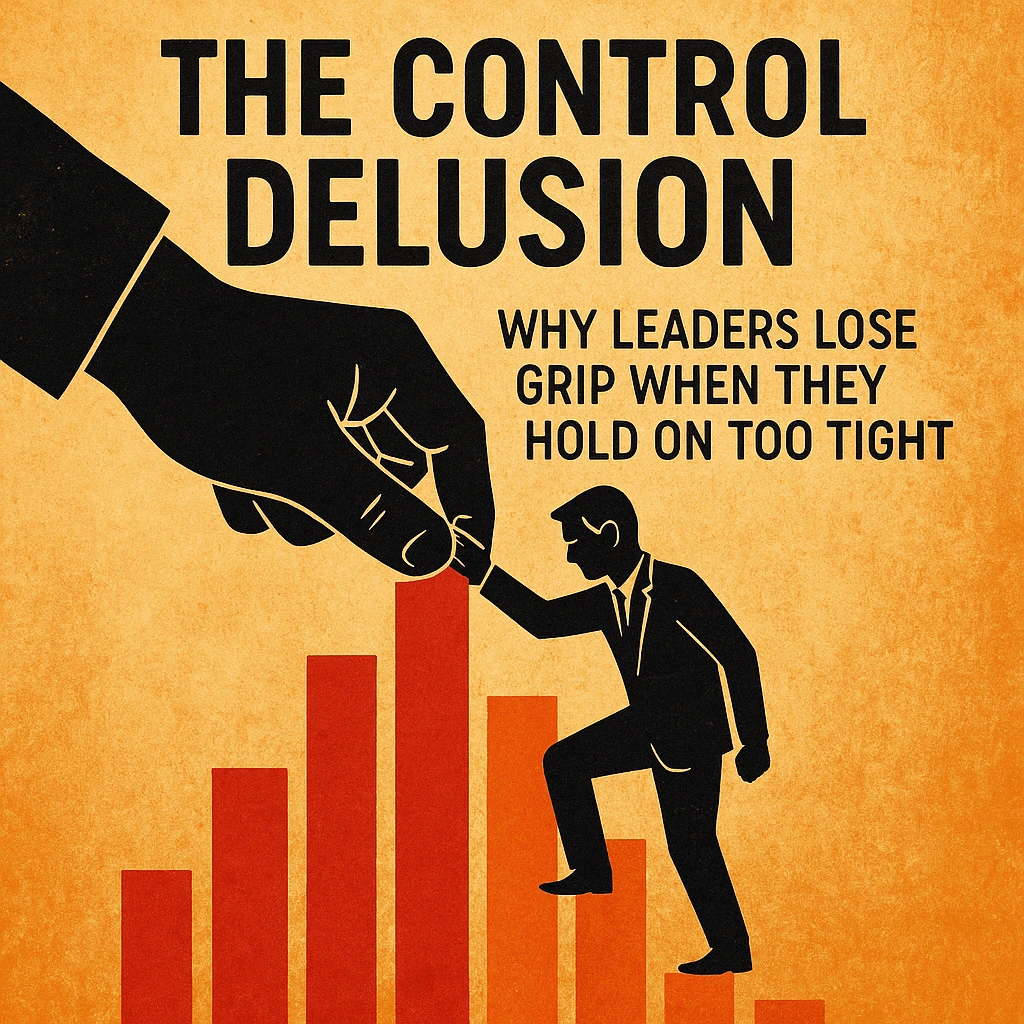
The Control Delusion: Why Leaders Lose Grip When They Hold On Too Tight
The control delusion in organizations appears when leaders believe that tighter oversight, more approvals, and stricter rules will create stability. In reality, the harder leaders try…
-
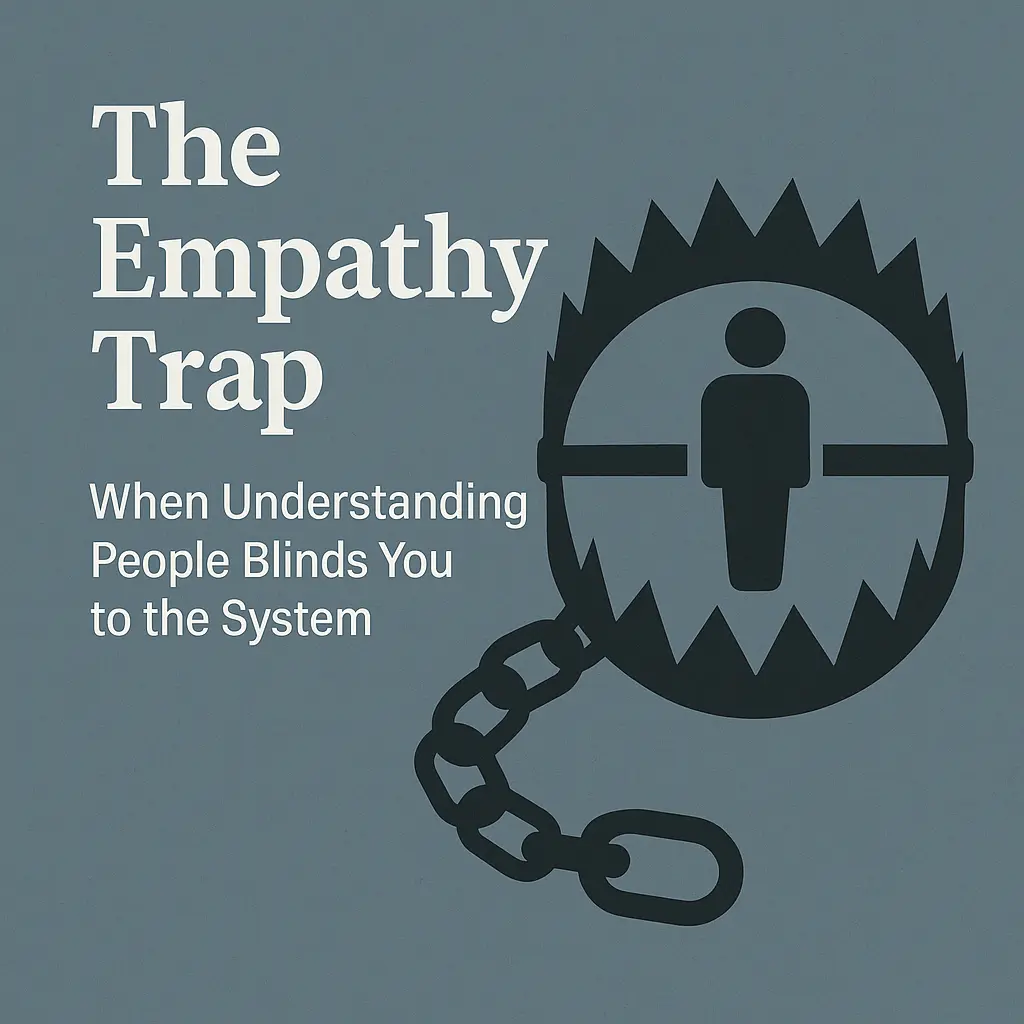
The Empathy Trap: When Understanding People Blinds You to the System
The empathy trap in organizations appears when leaders respond to repeated pain as individual stories instead of systemic patterns. Empathy is essential, but when it stays…