Tag: adaptive systems
Adaptive systems are systems that evolve in response to internal and external changes rather than following fixed, predictable paths. In organizations, this means structures, behaviors, and decisions continuously adjust based on feedback, pressure, and emerging conditions.
Unlike rigid systems, adaptive systems are not controlled—they are influenced. Leaders and system coaches cannot force outcomes, but they can shape conditions that enable adaptation, learning, and transformation.
On Paradigm Red, adaptive systems are explored through the lens of systems thinking, systemic coaching, and cultural evolution. These articles focus on how organizations respond to complexity, uncertainty, and shifting environments.
Key ideas explored in adaptive systems
- How systems respond to pressure and change
- The role of feedback loops and emergence
- Why control-based leadership fails in complex environments
- How adaptation differs from optimization
Related articles
-
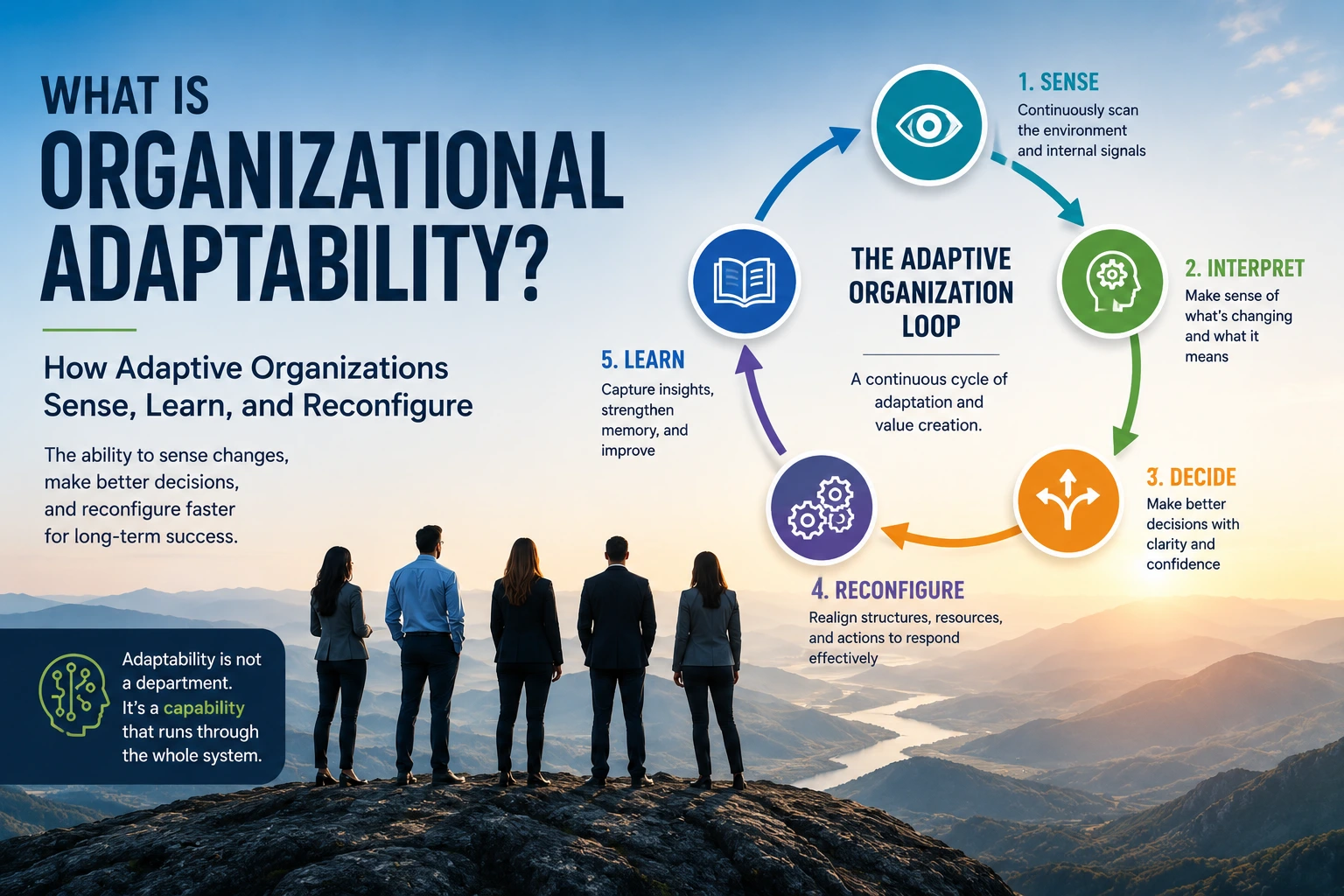
What Is Organizational Adaptability? How Adaptive Organizations Sense, Learn, and Reconfigure
Organizational adaptability is the systemic capacity to sense meaningful change, interpret it, make timely decisions, reconfigure the organization, and learn continuously.
-
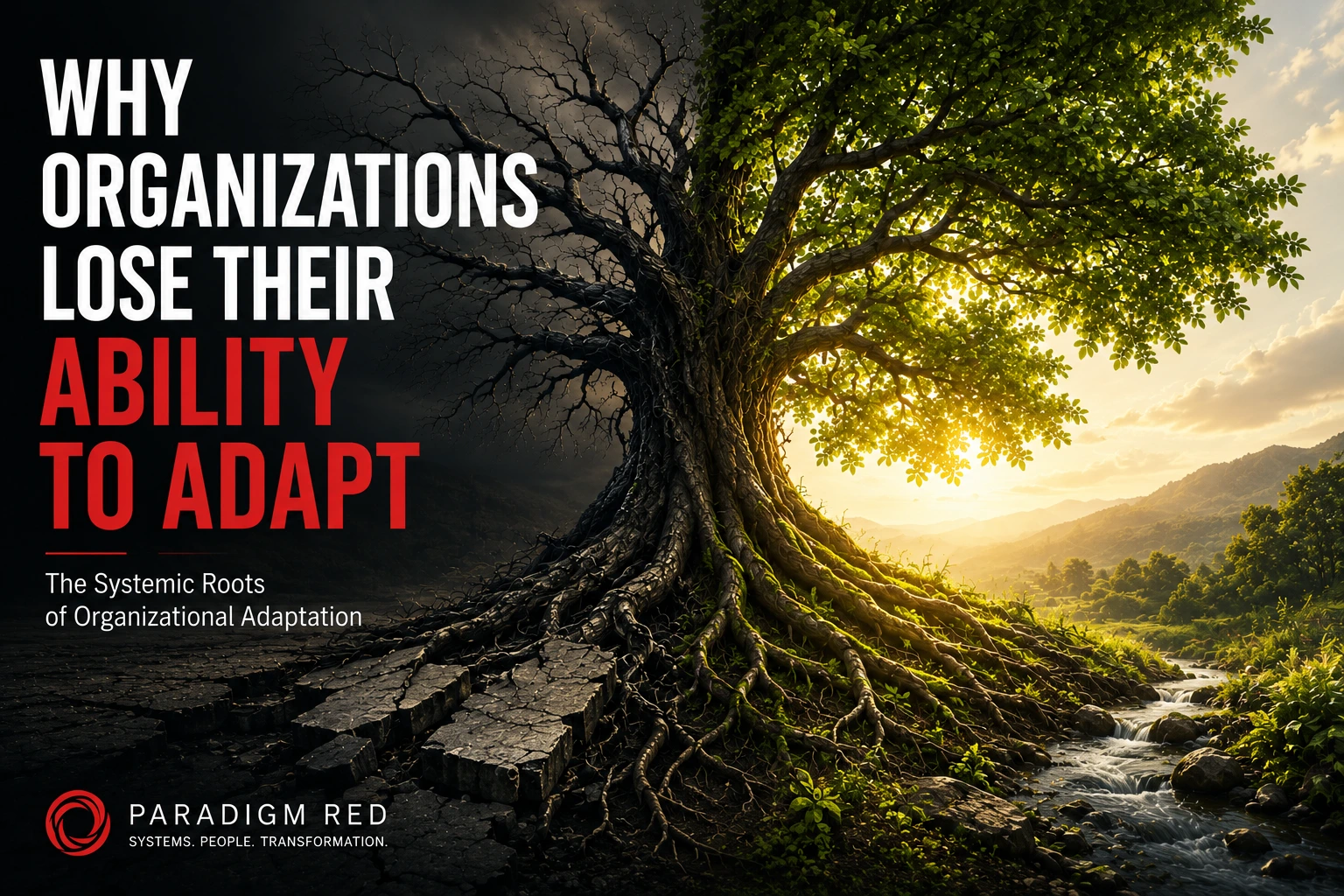
Why Organizations Lose Their Ability to Adapt
Why do successful organizations become less adaptable? Explore how adaptive capacity erodes—and how leaders can diagnose, reshape, and monitor the system.
-
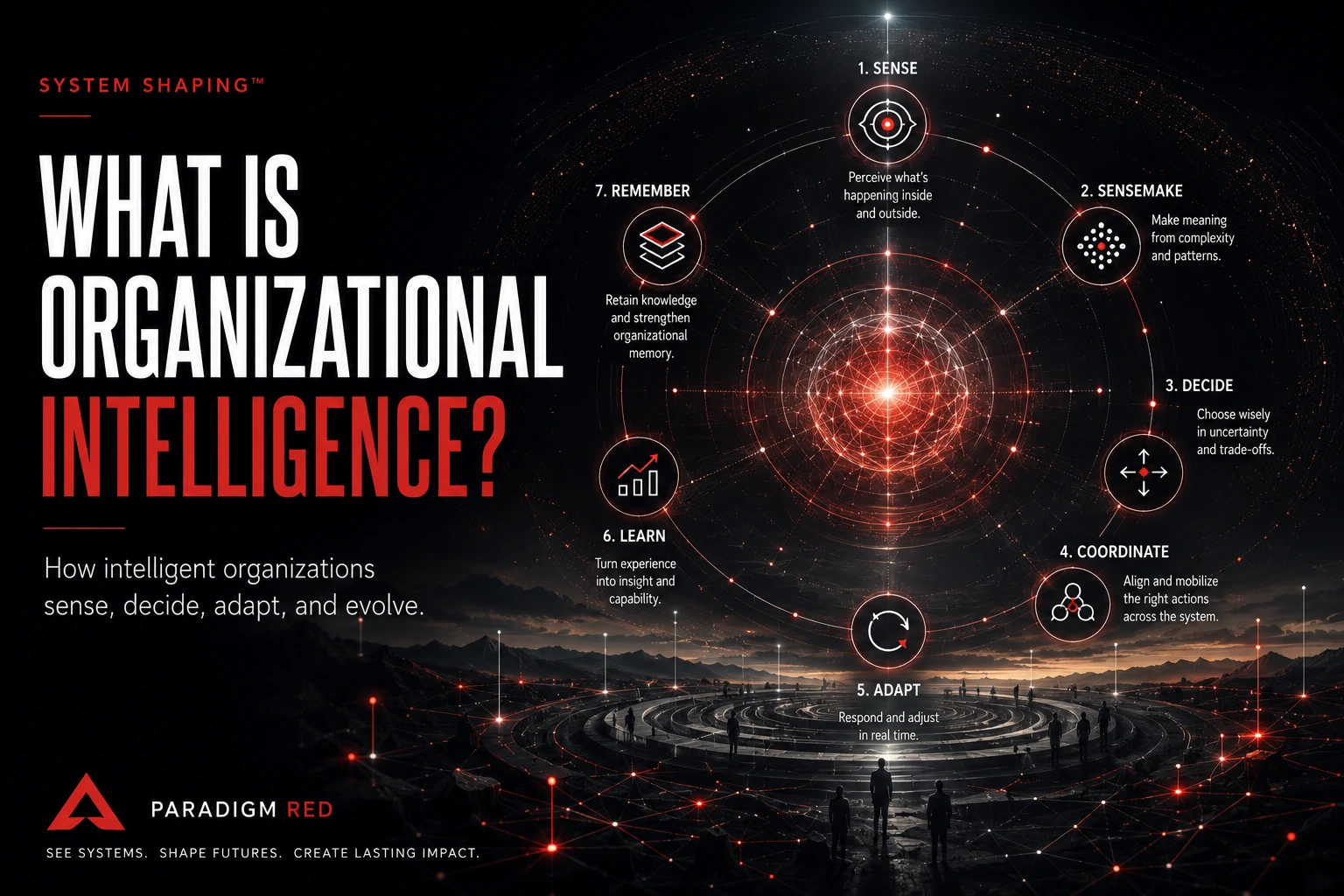
What Is Organizational Intelligence? A Complete Framework
A complete executive guide to organizational intelligence: its definition, architecture, operating cycle, emergence, collapse, assessment, development, and relationship to System Shaping™.
-

The Resilience Loop: How Healthy Systems Bounce Forward, Not Back
Most leaders quietly dream of going back to normal. Back to how things were before the crisis, before the disruption, before the market pivoted or the…
-

Building Systemic Resilience: Why Coherence Beats Control in Times of Uncertainty
Systemic resilience in organizations is the ability of a system to adapt, absorb shocks, and evolve under pressure without collapsing into rigidity or chaos. In uncertain…
-
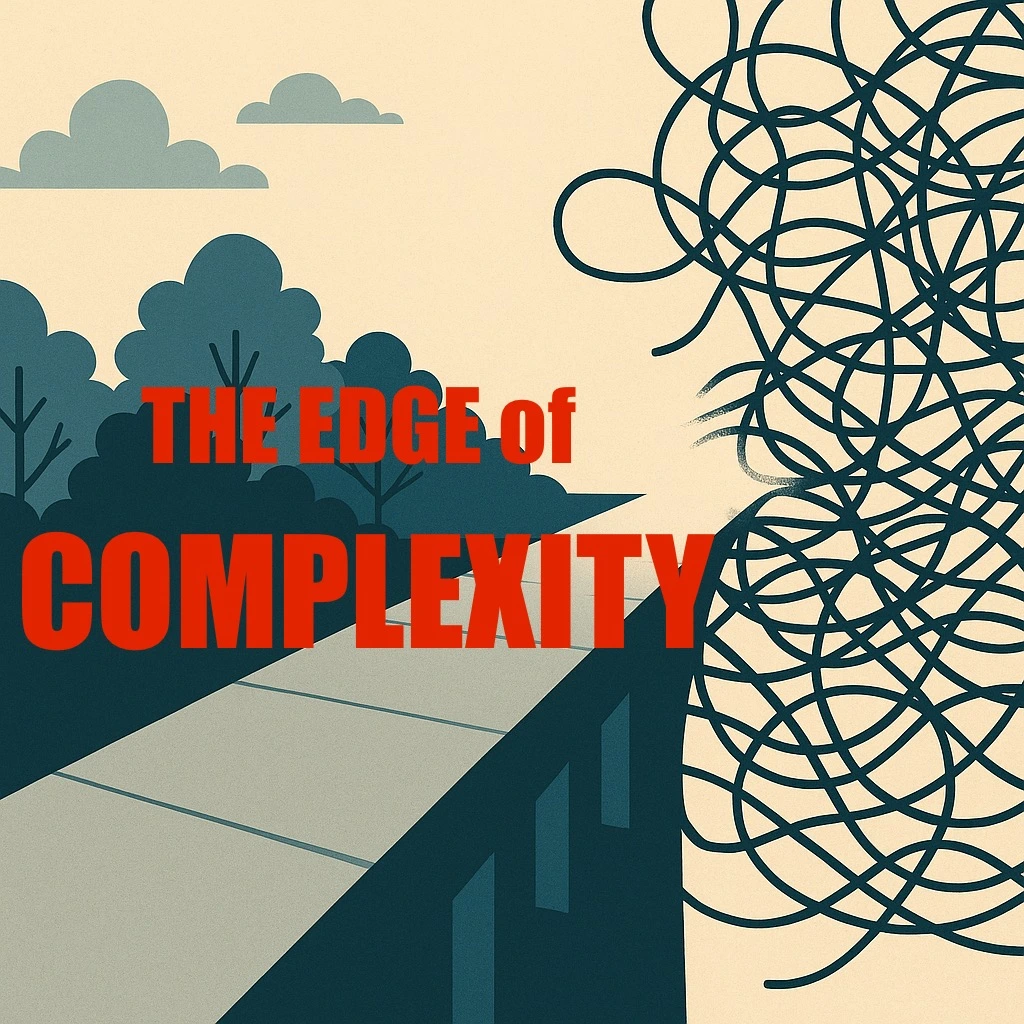
The Edge of Complexity: Why Systems Fail When Leaders Treat Complex Problems as Complicated
Leaders love solving problems. It is what they are rewarded for. Find the issue, apply expertise, push harder — and the system delivers. That logic works…
-
What Makes a System Self-Healing? Anatomy of Regenerative Change in Organizations
Self-healing systems are the future of leadership, design, and systemic coaching. Most organizations do not actually recover from breakdown. They resume. They restart meetings. Relaunch initiatives.…