Author: Denys Kostin
-

Beyond PMBOK: From Managing Projects to Evolving Systems
There was a time when predictability felt like the highest virtue. Success meant controlling variables, managing risks, and keeping the plan intact. In that world, the…
-
Collective Mind: Meaning, Examples, and How Groups Think Together
A collective mind is the capacity for coordinated thinking and action that develops when people connect their knowledge, attention, and judgment. In organizational use, the term…
-

From Seeing to Shaping: How Conscious Leadership Alters the Field
Some changes do not begin with strategy. They begin with a shift so subtle it is almost invisible: a pause before reacting, a breath that steadies…
-

Insight as Intervention: How Awareness Itself Transforms Systems
Insight as intervention in systems begins with a simple but radical idea: the way we see a system is never neutral. In complex organizations, perception is…
-
Working Across Levels: How System Coaches Serve the Present, the Emerging, and the Invisible
Working across levels in system coaching means helping organizations operate not only in what is visible, but also in what is emerging and what is not…
-

Evolutionary Intelligence: How Mature Systems Keep Learning from Themselves
Evolutionary intelligence in organizations is the ability of a system to learn from its own patterns, update how it operates, and evolve its structures, decisions, and…
-

Systemic Renewal: How Systems Rebuild Themselves After Collapse
Systemic renewal in organizations is the process by which a system rebuilds itself after collapse by reorganizing around new patterns of trust, meaning, and coherence. In…
-

Building Systemic Resilience: Why Coherence Beats Control in Times of Uncertainty
Systemic resilience in organizations is the ability of a system to adapt, absorb shocks, and evolve under pressure without collapsing into rigidity or chaos. In uncertain…
-
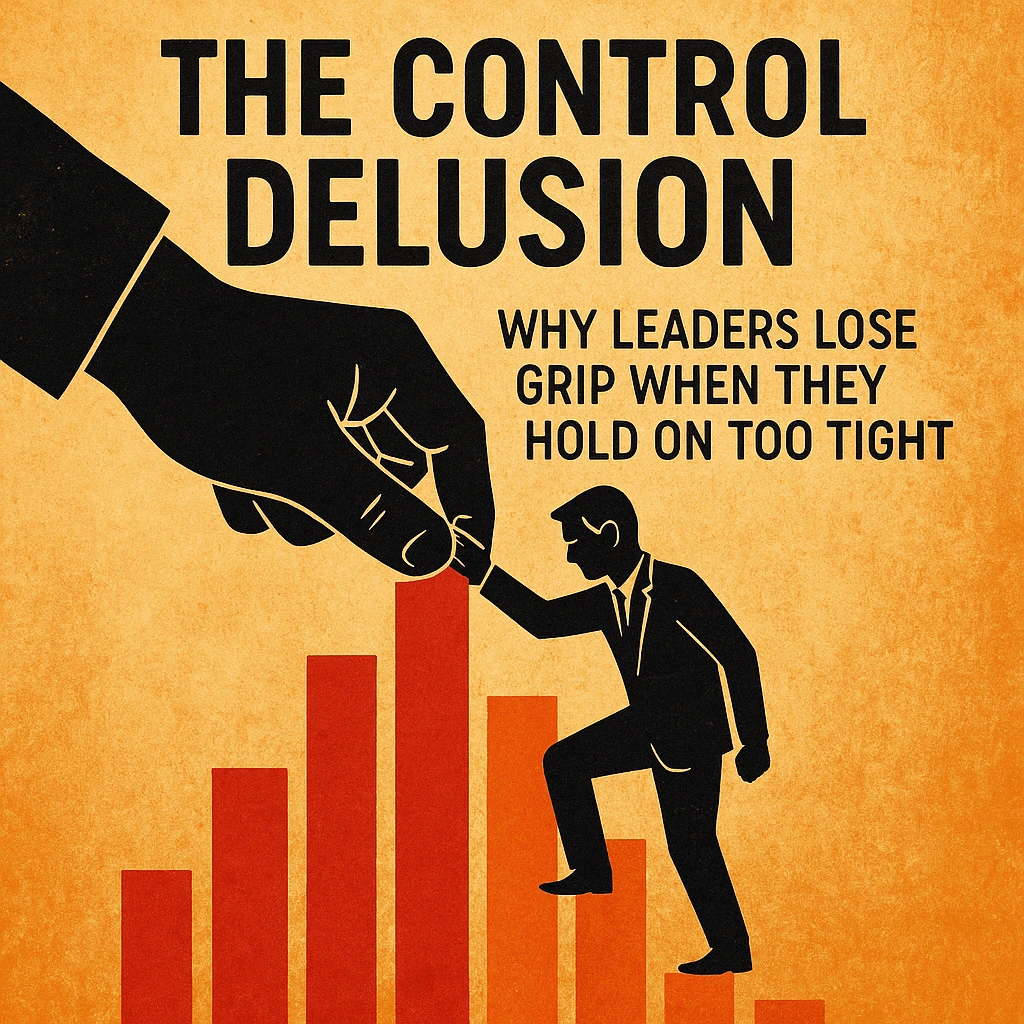
The Control Delusion: Why Leaders Lose Grip When They Hold On Too Tight
The control delusion in organizations appears when leaders believe that tighter oversight, more approvals, and stricter rules will create stability. In reality, the harder leaders try…
-

The Trust Illusion: Why Forced Transparency Breaks What It Tries to Build
The trust illusion is one of the most common mistakes in modern leadership: the belief that more visibility automatically creates more trust. Dashboards, open data, constant…